
Before cutting, a wire EDM concentrate is normally diluted with water to a working concentration. Ordinary wire EDM fluid requires purified water or tap water; when only groundwater is available, the fluid may separate, cut more slowly and last less long. Understanding this starts with water hardness.
1. What is hard water. Hardness depends on the amount of calcium and magnesium ions in the water:
- Pure (soft) water: very low hardness.
- Tap water: retains some calcium and magnesium for health reasons — moderate hardness.
- Groundwater (hard water): rich in calcium and magnesium ions — this is the classic hard water.
2. Why hard water causes separation and slower cutting. Mixing an oil-based working fluid with hard groundwater causes layering. Oil-based fluids contain oleic acid soap compounds; in water these ionize into calcium oleate particles that build up into flocculants floating on top of the fluid. The result is poorer cleaning and a loss of active components — which is exactly why speed drops and life shortens with groundwater. An ordinary water-based fluid turns discolored with groundwater for the same reason: insoluble calcium oleate particles form, slowing the cut and shortening fluid life.
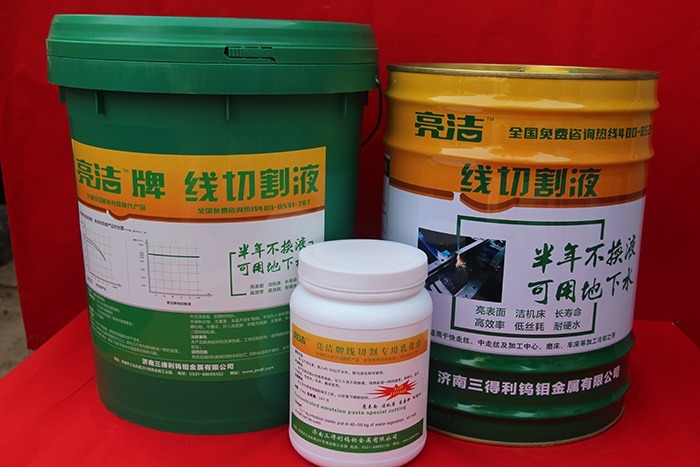
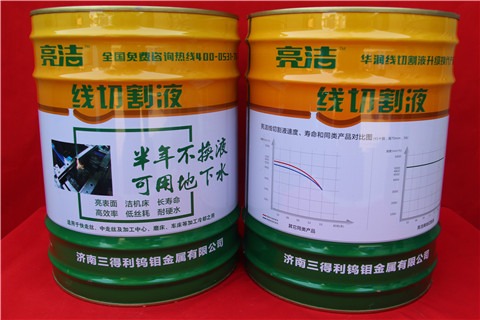
3. How hard-water-tolerant fluids work. Hard-water-tolerant water-based fluids are made with an advanced process and special components: they use non-ionic surfactants throughout. These surfactants do not react with calcium or magnesium ions, so the fluid neither discolors nor separates with groundwater. Cutting speed stays high even when mixed with hard water, and service life remains long.
4. Selection and usage advice.
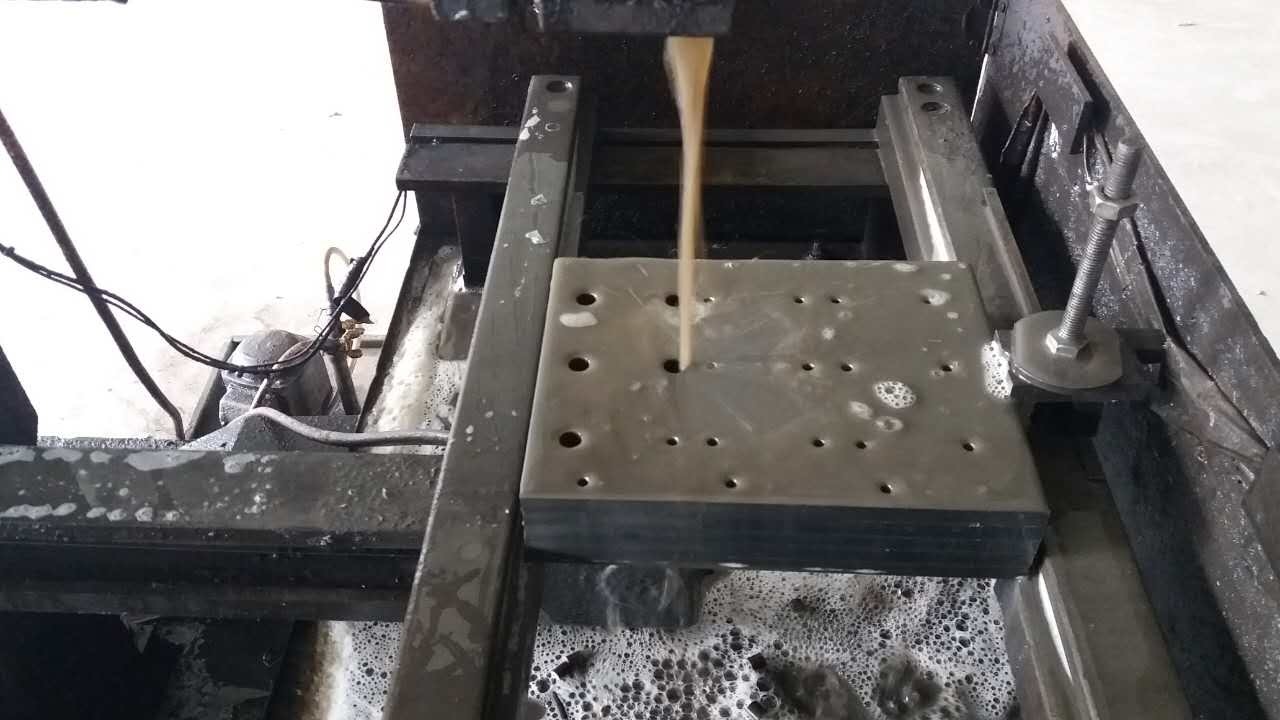
- For ordinary wire EDM fluid, use purified water first, then tap water — never groundwater.
- If groundwater is the only option, choose a special hard-water-tolerant formulation.
- Even with a hard-water-tolerant fluid, watch actual conditions: if local groundwater is extremely hard (very high calcium/magnesium content), service life may still shorten.
Summary. Whether a working fluid tolerates hard water comes down to whether its formulation reacts with calcium and magnesium ions. Ordinary products are demanding about water quality, while hard-water-tolerant formulations greatly relax that requirement — especially useful for users without tap water or in hard-water regions.
Need more information? — we reply within 24 hours. Contact our sales team