
Cutting aluminum on wire EDM is a recognized challenge. The material is soft, flushing is difficult, conductive blocks wear quickly, wire breakage is common, and a finished part falling off can snap the molybdenum wire. The right parameters, techniques and protection make a visible difference.
1. Pulse Parameters for Aluminum
Wide pulse widths and overly short pulse intervals generate large aluminum oxide particles that cling to the wire and cause trouble. The correct adjustments:
- Raise the open-circuit (no-load) voltage.
- Reduce the pulse width.
- Increase the pulse interval.
These changes reduce the chance of machining debris adhering to the wire, lowering breakage and conductive block wear.
2. Operating Tips
- Place a piece of sponge in the rear slot of the upper wire guide arm. As the rapidly reciprocating wire passes through the sponge, friction removes some adhered oxide, protecting the conductive blocks, reducing wire vibration, and letting the power supply perform normally.
- Change the working position of the conductive blocks frequently so single-point wear does not cut a deep groove.
- For thick aluminum work, adjust electrical parameters and feed to keep the cut stable.
3. Dielectric Requirements
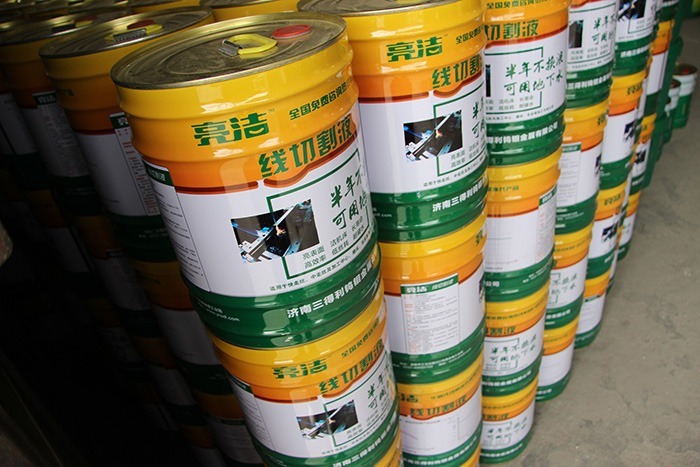
Aluminum is usually cut with a water-based dielectric at a normal dilution of 1:10–20. For aluminum, dilute it further — a leaner mix still works effectively while balancing efficiency and cost. A sponge filter can keep impurities out of the tank, preserving flow and reducing adhesion; wash or replace the sponge regularly.
4. Preventing Parts From Falling and Breaking the Wire
Aluminum parts cannot be held with magnets (a 30 mm plate, for example), and ordinary clamps often cannot reach the drop area. Five practical methods:
- Leave an allowance and knock it off: leave about 0.2 mm, then tap and grind it away after cutting.
- Support and weigh down: after half the cut, slide a bar the length of the crossbeam underneath and place a piece of iron on top of the part.
- Leave a break point and wrap it: leave a 0.5 mm break point and wrap the part in cloth to cushion a fall.
- Glue the part: apply a dab of glue at the drop point to hold the part.
- Support with a fixture: make a simple holder or use a woodworking clamp.
These simple methods work equally well on other materials and reliably prevent dropped parts from snapping the wire.
Summary: Cutting aluminum is hardest at two ends — wear and wire breakage. Raise the voltage, shorten the pulse width and widen the interval; use the sponge and rotate conductive blocks; keep the dielectric lean and fresh; and support or leave allowance at the end of the cut. Combined, these measures visibly improve both efficiency and quality.
Need more information? — we reply within 24 hours. Contact our sales team