
Many wire EDM operators are overwhelmed by the number of working fluids on the market. The fluid is the medium for pulsed discharge, so it directly affects machining performance, surface quality and machine maintenance. Understanding the main product types by composition is the first step to choosing correctly.
1. Types by Composition and Performance
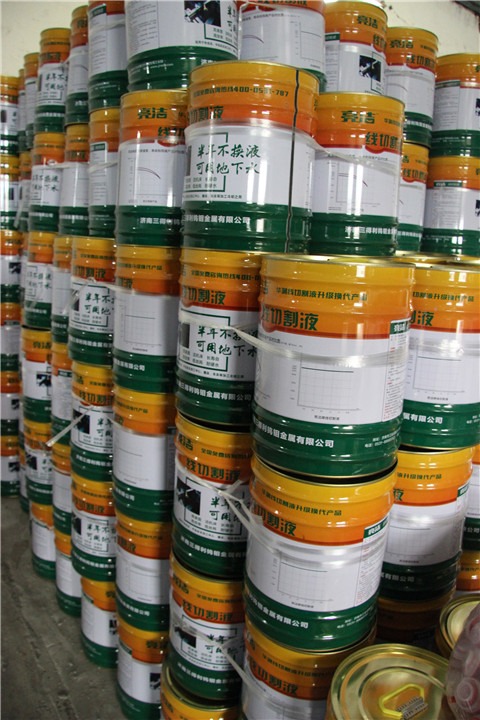
Pure oil. Made entirely of mineral oil and oil-soluble additives and used without dilution. Offers high cutting efficiency, good insulation and arc suppression, and rust prevention, but it is flammable, polluting and requires toxic solvents for cleaning. Largely obsolete.
Emulsion (soluble oil). Mineral oil (60% or more), emulsifiers and additives, diluted to a 5% suspension. Efficient with good insulation and arc suppression, but flammable, prone to odor after extended use, and the milky appearance makes the discharge gap hard to observe.
Semi-synthetic (micro-emulsion). Emulsifiers, 15–30% mineral oil and water-soluble rust inhibitors, diluted to 5–8%. Cutting efficiency is higher than oil-based types, with less pollution and lower oil consumption; rust prevention is somewhat weaker.
Synthetic (water-soluble). Entirely water-soluble ingredients, diluted to 5–25%. Environmentally friendly, long service life, easy to clean and nitrite-free. The most advanced type currently available.
2. Selection Considerations
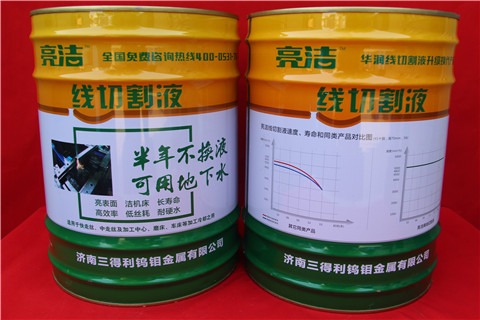
- Machining requirements: for a balance of efficiency and rust prevention, choose semi-synthetic; for long life, low maintenance and environmental compliance, choose synthetic water-based.
- Machine type: both HS-WEDM and MS-WEDM machines accept water-based products; follow the machine manual.
- Ease of mixing: synthetic fluids tolerate a wide dilution range; emulsions must be mixed strictly by ratio, adding the oil first and then water.
- Changeover: when switching from an oil-based to a water-based fluid, clean the tank and worktable thoroughly so the two fluids do not mix and react.
3. Dilution Reference
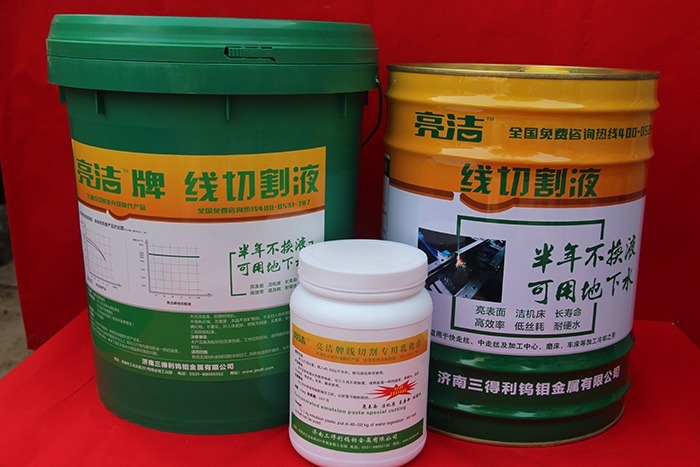
- Emulsion: 5% suspension (about 1:20).
- Semi-synthetic: 5–8%.
- Synthetic: 1:10–20; some special formulations tolerate groundwater.
Summary. There is no single “best” fluid, only the one that best matches your material, precision, environmental and budget requirements. Choose a reputable product and follow the dilution specification, and machining quality and machine life will follow.
Need more information? — we reply within 24 hours. Contact our sales team