
Molybdenum wire quality and diameter largely determine the final result and efficiency of high-speed wire EDM. Genuine, well-made wire is the foundation of precision cutting — but the market contains wire of very uneven quality, and some is openly counterfeit. Knowing how to select and verify your wire is a basic skill for every wire EDM operator.
1. Quality indicators of genuine wire
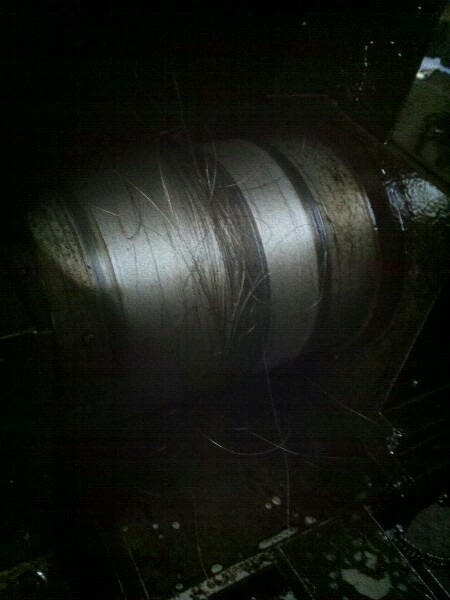
Molybdenum wire for wire EDM is typically required to meet the cutting-area specification of GB/T 4182-2003 (the Chinese national standard for wire EDM molybdenum wire). Genuine, high-grade wire shares these characteristics:
- Made from high-purity molybdenum, cold-drawn with a dedicated process; excellent high-temperature resistance.
- High tensile strength and long service life.
- Low elongation and high erosion efficiency; does not go slack in the cut zone and rarely breaks.
- Good dimensional stability: wire diameter variation stays within 0.005mm over a defined cutting area, and approaches zero during multiple finish cuts on medium-speed machines.
- Withstands high high-frequency power, which supports faster rough cutting.
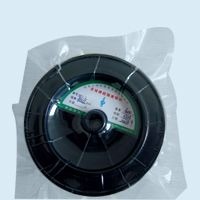
- Vacuum-sealed packaging; storable for more than a year.
2. Correct use of molybdenum wire
Even genuine wire only performs well when used correctly:
- Storage. Once opened, wire oxidizes and degrades in air. Choose vacuum-packed products and avoid storing large quantities under normal conditions; keep remaining wire in a cool, dry place.
- Guide wheels. Keep guide wheel cylindricity and coaxiality within 0.005mm, with no “T” grooves. Replace or reposition conductive blocks and wire deflectors once visible grooves form.
- Working fluid. Use a quality water-based dielectric to ensure cooling. A water/oil combination fluid forms a protective layer a few microns thick around the wire, preventing arcing and burning.
- Tension at loading. Load the wire with the right tightness, then run the wire feeding system empty for 3–5 minutes before cutting.
- First-cut current. Start a new wire at a current lower than normal, and coordinate pulse width, pulse interval, open-circuit voltage and tracking speed to avoid an arc discharge zone.
- Prevent dropped parts. On medium-speed machines the kerf is clean and finished parts tend to fall off; take measures so a falling part cannot pull and break the wire.
- Cleanliness. Keep the guide wheel assembly and rails clean. Dielectric residue slows the guide wheels, and the “shear force” at reversal can damage the wire.
3. Seven field tests to spot counterfeit wire
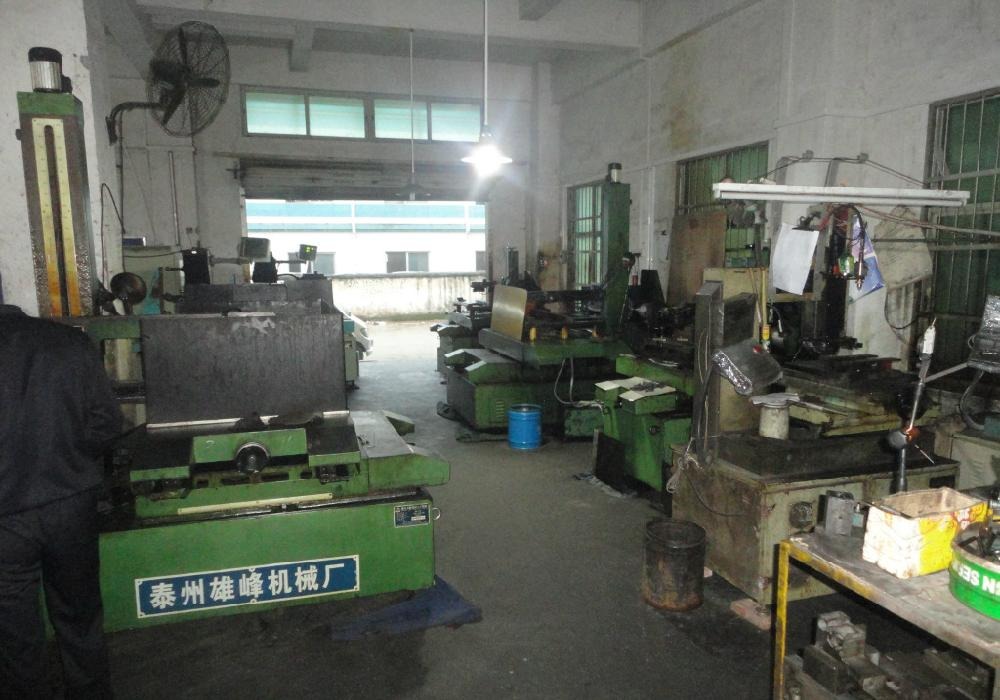
Scrap molybdenum wire has high unit value, so recycling and resale channels sometimes mix in fakes. These simple tests work on the shop floor:
- Fire test. Molybdenum melts above 2500°C. Hold a strand (lightly tensioned, not tight) in a lighter flame — genuine wire takes ten seconds or more to burn through. Wire that parts within 10 seconds, often with sparks, is fake.
- Magnet test. Molybdenum is not magnetic. A strong magnet will not attract it; wire that sticks is counterfeit.
- Knot test. Tie a knot and pull it tight (without breaking), then release — genuine molybdenum splits into two or more strands.
- Oxidation test. Heat a small coil on a gas burner for about a minute; genuine wire rapidly oxidizes to a blue color.
- Nitric acid test (use with care). A drop of concentrated nitric acid produces yellow fumes. Concentrated acid is corrosive — handle with proper protection.
- Weight check. A scrap coil that feels unusually heavy may contain iron; drop it and listen for a metallic clang. Poor elastic recovery may mean cloth or other material is embedded inside — open it and check.
- Oil discount. Scrap wire coated with heavy oil or machine oil weighs more; discount the weight accordingly when trading.
Buying genuine wire from a reputable supplier, combined with proper use and maintenance, keeps cutting indicators stable, protects accuracy, and keeps consumable cost under control.
Need more information? — we reply within 24 hours. Contact our sales team