
Wire EDM waste fluid carries a heavy load of molybdenum, iron, carbon powder, sludge, and other metallic particles and impurities. Disposed of carelessly, it creates both environmental pollution and compliance risk. Proper handling is now a basic skill for every machining shop.
1. Fluid selection (source control)
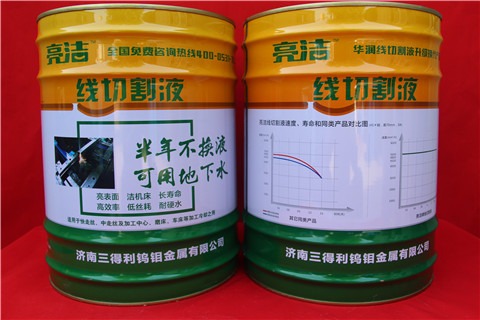
The most important step is choosing a nitrite-free, non-oil-based dielectric fluid. Such fluids are inherently cleaner, which reduces the burden of waste treatment later.
2. Cleaning the fluid circuit
Used fluid leaves metal powder and debris everywhere — not only in the fluid, but also accumulated in tank corners, pipes, and pump valve screens. When changing fluid, thoroughly clean the tank, the worktable, and all piping.
3. Filtration
Run the old fluid through a magnetic separator or a non-woven paper belt filter: the liquid passes through the non-woven medium by gravity or a booster pump, and sludge and solids are trapped. Collect the filtered sludge and solid particles in sealed bags and hand them to an industrial waste treatment company for disposal.
4. Chemical settling
Add 2–5% of a settling absorbent (such as alum or an activated carbon agent) to the fluid, stir moderately, and let it settle; sea sand can also be used as an adsorbent. The treated liquid becomes a clear, light-colored solution. The settled waste is also sent to an industrial waste treatment firm.
5. Reuse or contracted disposal
The treated liquid can be reused as make-up in the circulating cutting fluid, or handed to a wastewater treatment company for final processing.
Summary: Waste fluid handling comes down to three steps — choose an eco-friendly fluid at the source, filter and settle during the process, and dispose of it compliantly at the end. Following this five-step process lowers environmental risk, allows partial reuse, and balances compliance with cost.
Need more information? — we reply within 24 hours. Contact our sales team