
The dielectric fluid is a decisive factor in wire EDM. The two main families on the market are water-based and oil-based, and they differ clearly in performance, cost, and day-to-day use.
1. Characteristics of oil-based dielectric
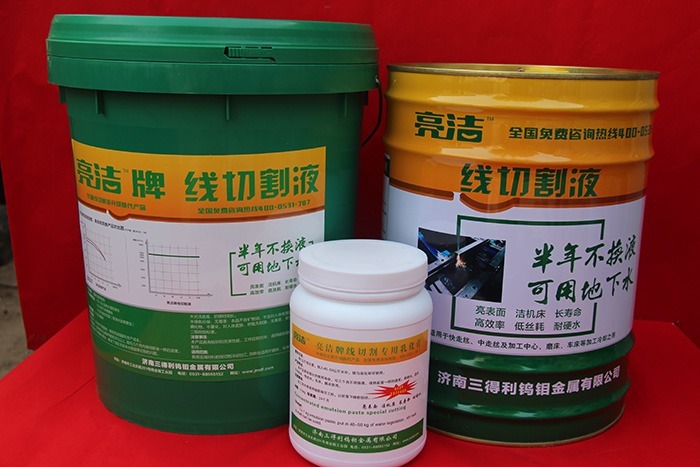
Oil-based dielectrics have decades of history but carry clear drawbacks:
- Poor heat transfer. High-speed wire EDM (HS-WEDM) generates a lot of heat; oil transfers it poorly, so the cutting zone overheats and produces smoke or even fire.
- Thermal deformation risk. An overheated workpiece distorts and loses accuracy.
- Hygiene and safety. Most oil-based fluids contain toxic volatile compounds and stain everything; operators generally dislike them.
- Flushing and cleanup. They run dirty and oily, flush poorly, and are very hard to clean — a legacy product on the way out.
- Advantage. Lower cost, which still appeals to some small job shops.
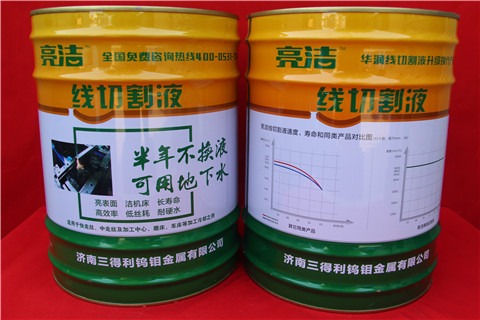
2. Advantages of water-based dielectric
Water-based dielectric combines the lubrication and rust prevention of oil with the excellent cooling of water:
- Cooling and cleaning. Ideal for high-heat metal cutting; effectively prevents workpiece thermal deformation.
- Faster cutting. More surfactants mean better flushing, with a larger speed advantage on thick workpieces.
- Economy. Diluted with water, it costs less per liter of working fluid.
- Hygiene and safety. Oil-free, mineral-free, and nitrite-free — healthier for operators.
- Wide scope. Works for nearly all light- and medium-duty cutting, most heavy-duty operations, and all grinding except complex operations such as thread and slot grinding.
- Long service life in upgraded formulas. High-quality water-based fluid can run six months without a change, mixes with hard well water, and its wastewater can meet secondary discharge standards.
3. Market trend and selection advice
Oil-based users tend to stay loyal to what they know, and early water-based fluids did not always solve rust on the cut surface — the main reason adoption started slowly. With upgraded formulations, modern water-based dielectrics have solved both rust prevention and service life, and their market share keeps rising.
Selection advice:
- Efficiency and convenience: choose water-based for faster cutting, longer life, and easy cleanup.
- Thick workpieces: water-based flushing is clearly superior, cutting thicker stock faster.
- Special cases: if soluble oil fails to emulsify when flushed (usually a lost stabilizer or poor base oil quality), adding 1–2% alcohol and stirring can restore it — or switch to a more stable water-based fluid.
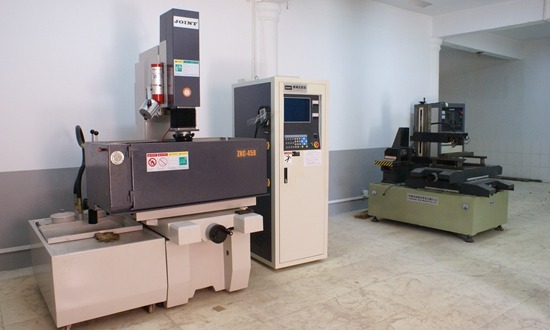
HS-WEDM vs LS-WEDM note: on a high-speed machine, the wire spool runs back and forth, the molybdenum wire is reused many times at about 10 m/s, and cutting speed generally exceeds 60 mm²/min. On a low-speed machine (LS-WEDM), brass wire runs one way, is used once, travels under 0.25 m/s, and gives higher accuracy and lower roughness — at higher equipment and operating cost. Medium-speed wire EDM (MS-WEDM) sits between the two, approaching LS-WEDM quality through multiple passes. Match the fluid to the machine type and the job requirements.
Need more information? — we reply within 24 hours. Contact our sales team