
The tightness of the molybdenum wire on the wire spool largely determines the outcome of wire EDM machining. Improper tension causes wire vibration, breakage and poor surface roughness, and a freshly loaded wire gradually slackens as it stretches during cutting.
1. Effects of Improper Tension
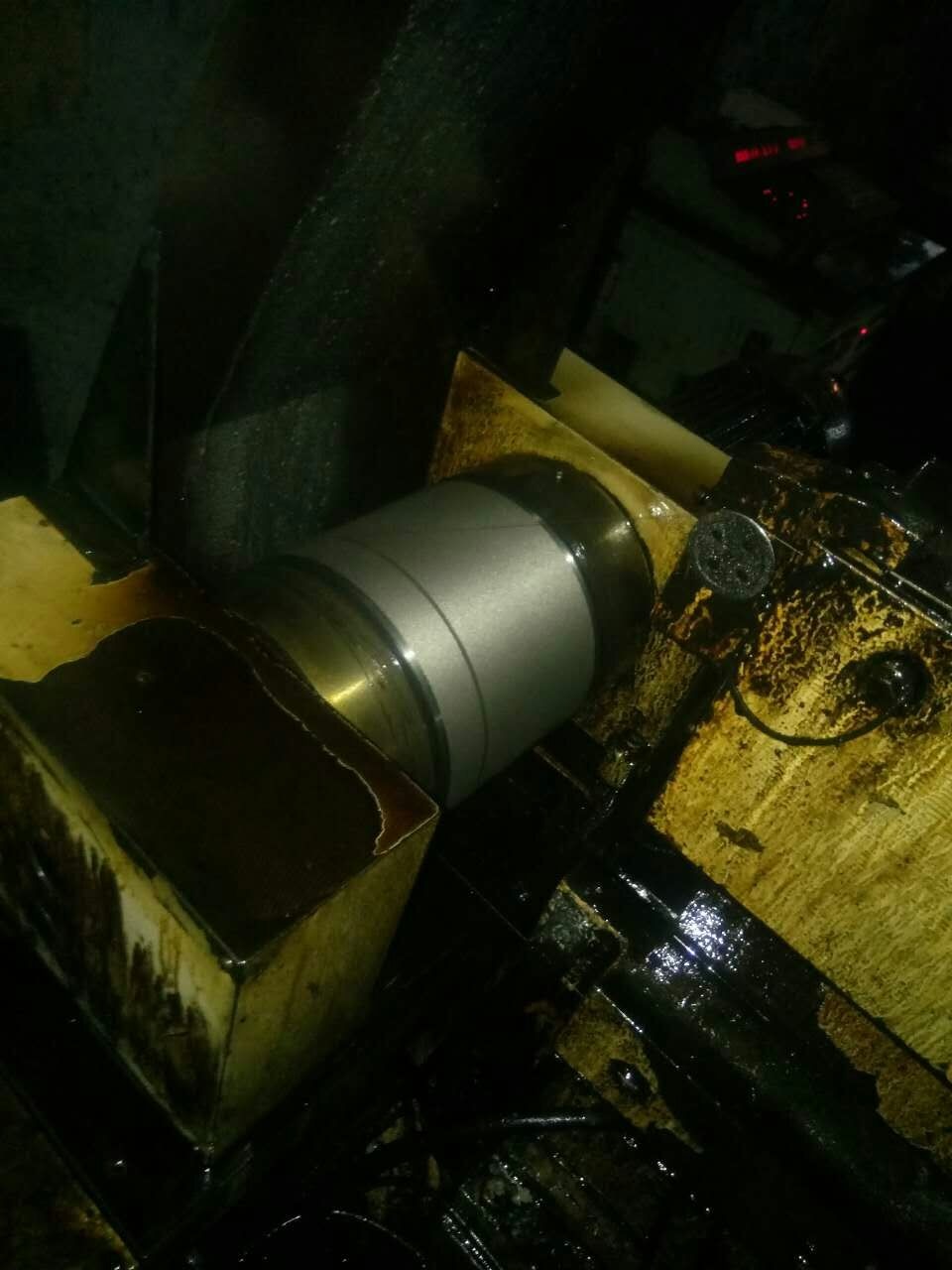
- Wire too loose: the wire vibrates violently, quickly wears and breaks, and noticeably worsens surface roughness. With excessive elongation, the wire overlaps on the spool, making cutting unstable or even causing breakage.
- Wire too tight: internal stress increases, and the wire breaks just as easily.
A newly installed wire must always be tensioned before cutting, without over-tightening.
2. Wire Loading (Winding) Procedure
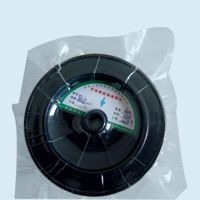
Winding transfers the wire from the supply reel onto the wire spool:
- Move both reversal limit switches out of the way.
- Crank the spool counterclockwise to the left limit position.
- Pass the wire end under and over the spool, through the guide wheels and wire deflector, contact the conductive block, and fix it to the left tightening screw.
- Hold the supply reel with the left hand and rotate the spool clockwise with the crank; pause when the wound width reaches about 8 mm.
- Adjust the left reversal limit switch to near the center of its travel.
- Continue winding to about 30 mm from the right-side screw, cut the wire and secure the end.
- Adjust the right reversal limit switch the same way.
3. Wire Tensioning Procedure
- Turn on the wire running switch, let the spool run to the left reversal position, and stop.
- Hold the tensioning wheel against the wire with moderate force, run to the right reversal position, and stop.
- Manually wind about 8 mm clockwise to the fixing screw, remove the tensioning wheel, loosen the screw, pull the wire end tight, and re-fix it.
- Stop when the wire runs smoothly with even tightness.
In practice, run the high-frequency power supply at maximum speed, pull the tensioning wheel back with even force, stop near the limit switch, and finish the remaining travel by hand.
4. Winding and Tension Maintenance Points
- Wind the wire along the specified path, fixing both ends.
- Leave about 10 mm clearance at each end of the spool and wind the middle full without overlapping. Wound width should be no less than half the spool length to avoid frequent reversal, which can damage machine components.
- After loading, let the spool idle for a dozen turns so the limit sits to the right, leaving a safe gap and preventing tangling.
- The wire gradually slackens under pulling during cutting; check tightness regularly and re-tension when too loose.
Experience tip: Re-tensioning about every 4 hours of cutting prevents insufficient tension. When cutting special materials such as pure copper, copper splashes back onto the wire, making it thicker and increasing tension; slacken it accordingly to reduce the load on the wire feeding system. With tension set correctly, stability, accuracy and wire consumption all improve noticeably.
Need more information? — we reply within 24 hours. Contact our sales team