
One-sided wire slack — the molybdenum wire tight on one side and loose on the other — is a common wire EDM problem. Causes are many and hard to pin down, so many fixes treat symptoms only. Identifying the main cause and working through checks in order is the way to solve it.
1. The Main Cause
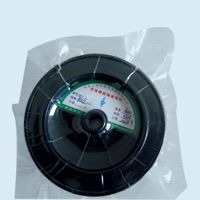
The dominant cause is that the wire spool is not perpendicular to the horizontal guide wheel assembly. Wear in the wire path creates clearance; vibration and drift during running finally show up as one side tight, one side loose.
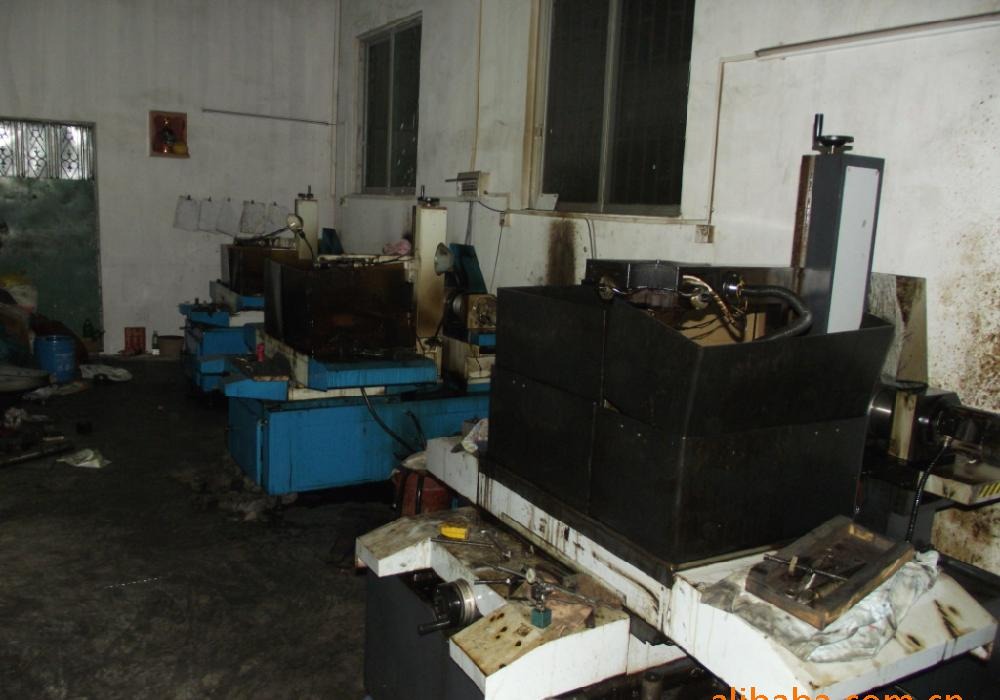
2. Seven-Point Check Sequence
- Drive gear and coupling: check for abnormal noise; if present, replace first — wear clearance is what causes the noise.
- Lead screw and nut clearance: if the fit is too loose, adjust the lock nut or replace; a worn lead screw also causes elliptical holes.
- Spool bearing: replace if severely worn.
- Spool parallelism and flatness: relative to the Y axis of the carriage, parallelism should be under 0.01mm and flatness under 0.02mm; adjust back within tolerance if not.
- Rear guide wheel: check that it turns freely; replace if it binds.
- Conductive block: check for a pulled groove that catches the wire; replace if present, and use a quality block.
- Wire tensioner: if the cause is still unclear, fit an automatic wire tensioner and observe the effect.
3. Additional Checks for MS-WEDM Machines
On MS-WEDM machines, the difference in feed speed between forward and reverse rotation is closely tied to the wire run method. Replacing the guide wheels and conductive block assembly may remove one-sided slack, but the feed-speed difference may not fully disappear. For such machines, focus on:
- Flushing coverage: the jet should fully envelop the wire so fluid enters the kerf for effective discharge and arc suppression.
- Wire guide frame rigidity: check that the upper and lower guide frame bolts are secure; after clamping the upper frame plate, the frame contact faces must mate with the column scraping surfaces (otherwise the guide wheel bore tilts and resistance increases).
- Guide wheel rotation: must be free.
- Conductive block height: slightly above the guide wheel top line is preferable.
- Threading: thread the wire with minimum force while ensuring it contacts the guide wheels and conductive block properly.
- Spool run-out: measure circular run-out below 0.02mm and check for vertical rise and fall during linear travel (disengage the lead screw, push the spool, and measure the side and top generatrix with a dial indicator; movement under 0.05mm has little short-term effect).
- Lead screw installation: improper mounting creates uneven running resistance and visible wire displacement.
Summary. The root of one-sided slack is a non-perpendicular wire path and worn parts. Work through transmission → lead screw → bearing → parallelism → guide wheel → conductive block, plus frame rigidity and flushing checks for MS-WEDM, and most cases can be located and fixed. An automatic tensioner is a useful supporting measure.
Need more information? — we reply within 24 hours. Contact our sales team