
The wire feeding system is the core of wire travel in a wire EDM machine. The wire spool (reel), the wire deflector, and the wire guide roller together keep the molybdenum wire wound neatly and make reversal reliable. Poor adjustment causes overlapping wraps, pinching, and even breakage.
1. How much reserve to leave at each spool end
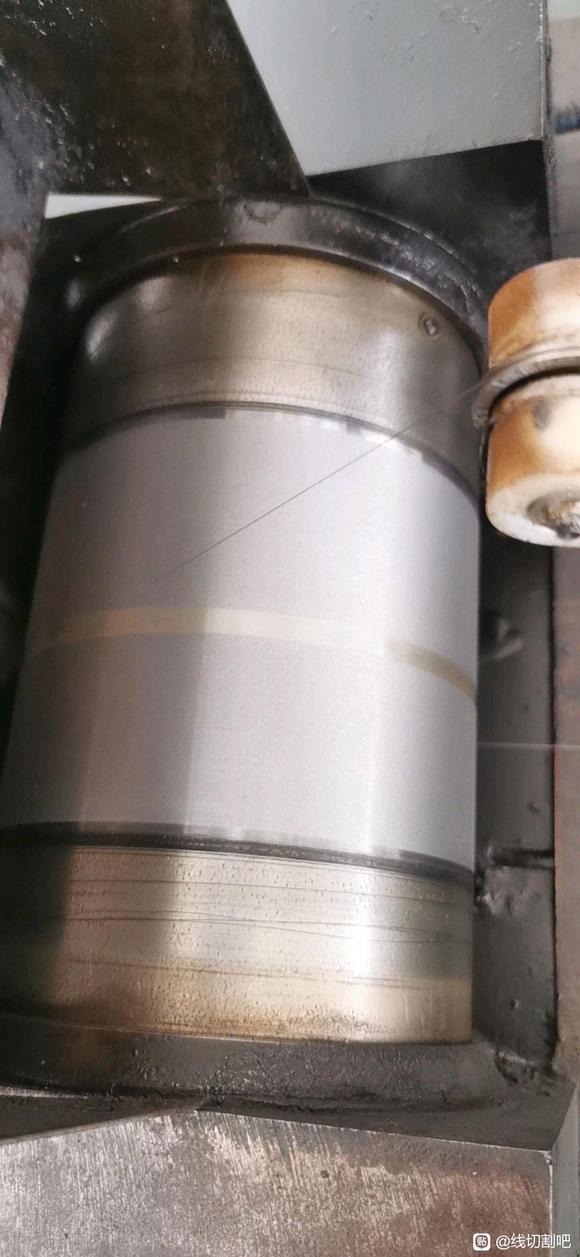
The reserve width at each end of the spool affects reversal and wire consumption:
- As a rule of thumb, start measuring from the screw and leave about 20 mm — roughly two finger widths.
- Never less than 5 mm. You may need to adjust again when cutting tall workpieces, and too little room easily pinches and snaps the wire.
- Shift-running shops should leave more to avoid frequent adjustment; small shops can keep the reserve minimal without running the wire off the end, saving reversal time. Do not overdo it — wide reserves waste time on reversal.
2. Troubleshooting overlap and winding faults
If the wire drifts inside the spool, overlaps, or winds unevenly, check these five points:
- Concentricity. Dial-indicate the spool to confirm it is concentric, and check the shaft and bearings.
- Tension. Wire that is too loose overlaps.
- Winding. Check whether the rear guide wheel, rear wire deflector, or the wire end were not secured properly.
- Guide wheel. If the checks above are fine but the problem persists, inspect the guide wheel bearing for damage and the wheel for lateral play — replace it.
- Special case. When cutting thick workpieces, the wire can scrape against the spool’s splash guard — a known cause of trouble on some machines.
3. Adjustment principles for the deflector and guide roller
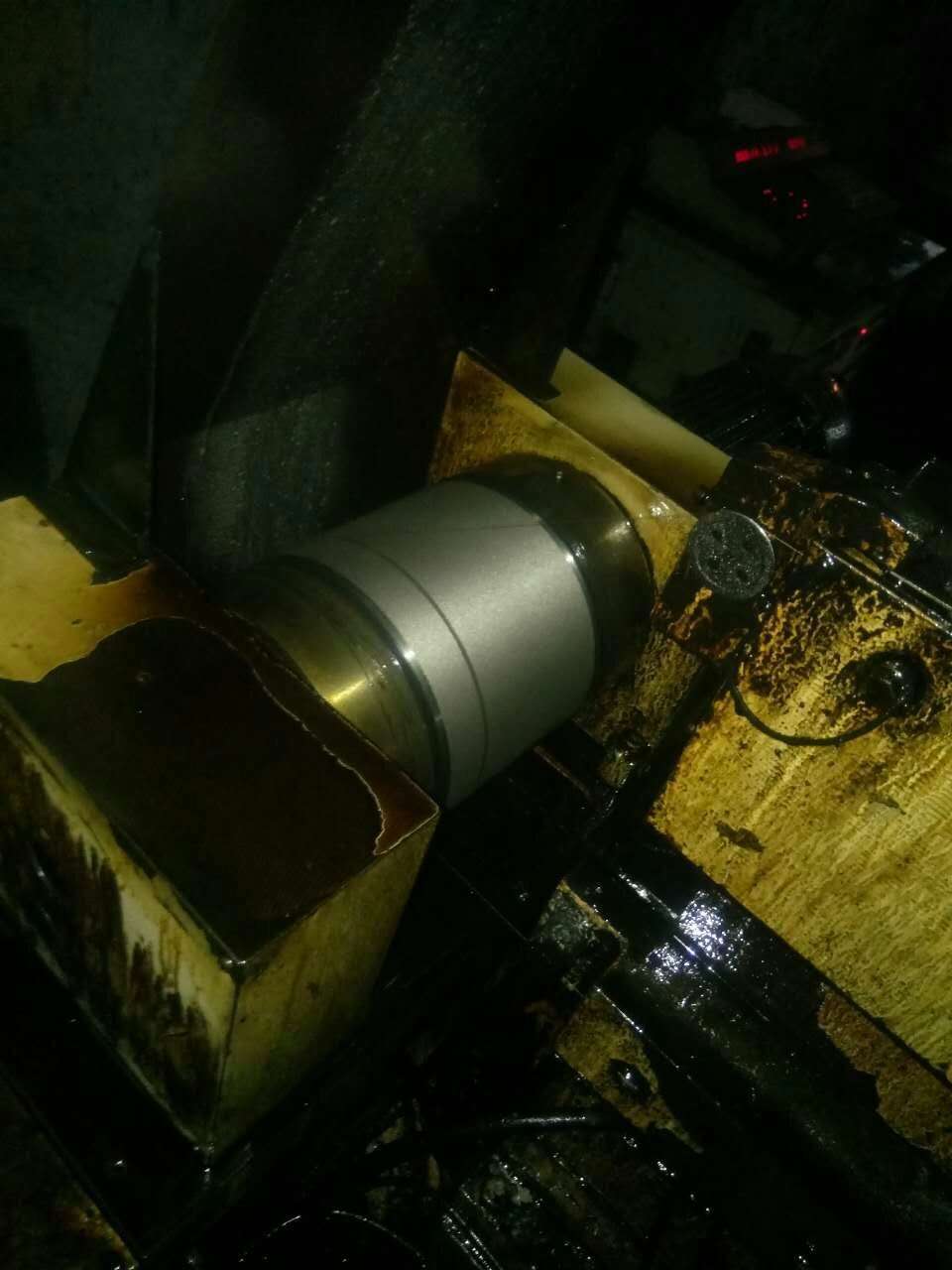
The deflector and guide roller keep the wire from swinging widely, position it so it winds neatly, and set the left–right reversal points of the traverse. Follow these principles:
- Keep the forward and reverse winding zones within about 2 mm of each other to avoid overlap at reversal.
- Use the center of the guide wheel’s V-groove and keep the wire perpendicular to the wheel axis, so guiding stays effective.
- Insulate the guide roller and deflector from the machine frame so the wire cannot short against the bed.
- Prevent excessive dielectric from being carried onto the spool.
Important: the guide roller and deflector can only hurt the wire — under no circumstances should they add meaningful drag to its travel.
4. Spool shedding after switching to water-based fluid
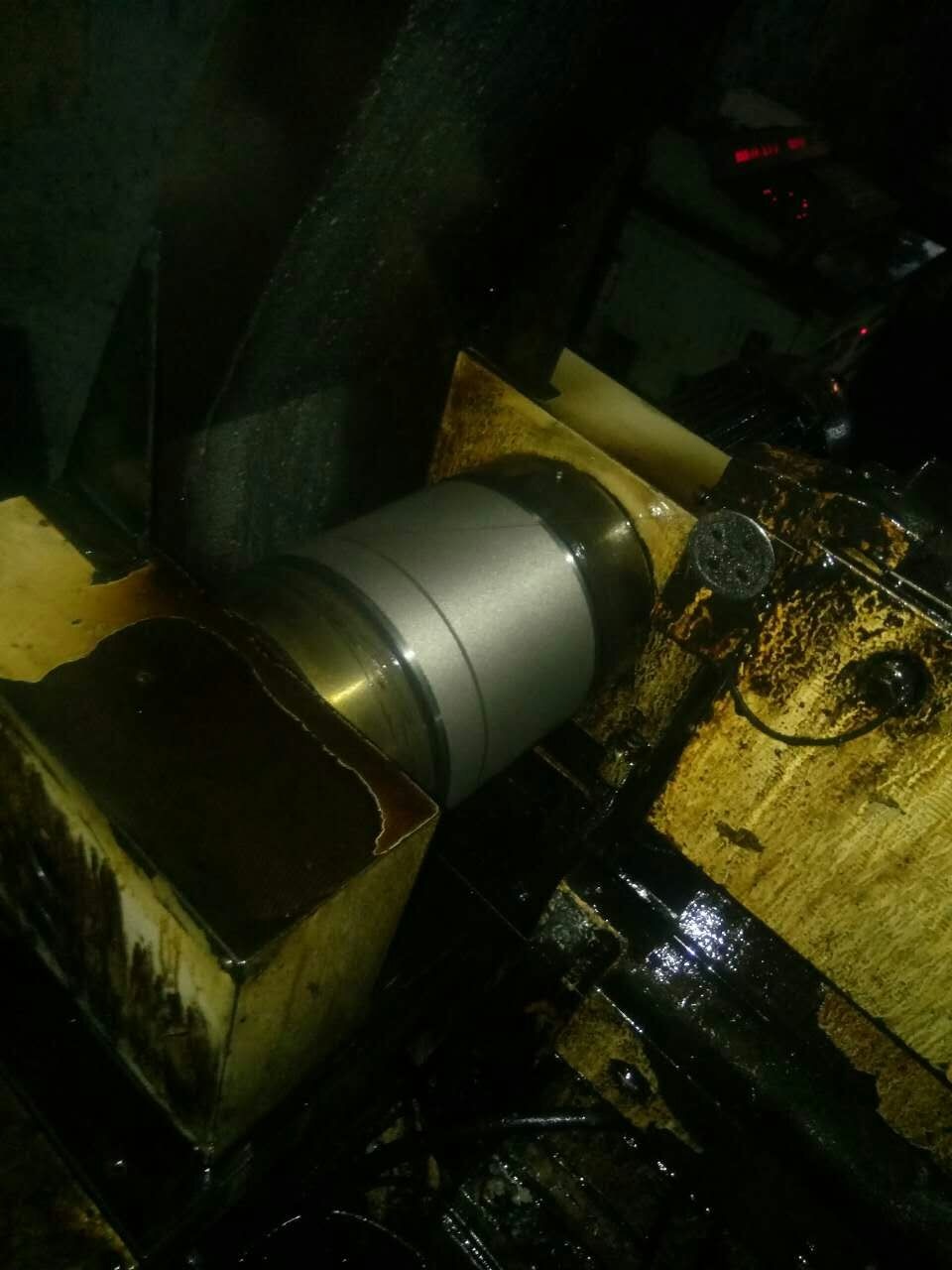
A spool that sheds or pits after switching to a water-based dielectric is usually a material problem. Aluminum is chemically active — it reacts with both acids and bases — so dielectric of different pH can discolor it, cause white etching, and eventually shed or pit. Replacing the aluminum spool with a stainless steel one solves the problem at the root.
Summary: Wire feeding adjustment targets three things — neat winding, reliable reversal, and minimum resistance. With the right reserve width, overlap checks, deflector rules, and spool material, wire feeding faults drop sharply.
Need more information? — we reply within 24 hours. Contact our sales team