
On a wire EDM machine, the height of the wire guide frame must be set according to the thickness of the workpiece being cut. An incorrectly adjusted frame height aggravates reversal marks and degrades surface finish — a detail that is easy to overlook.
1. Adjusting Height by Workpiece Thickness
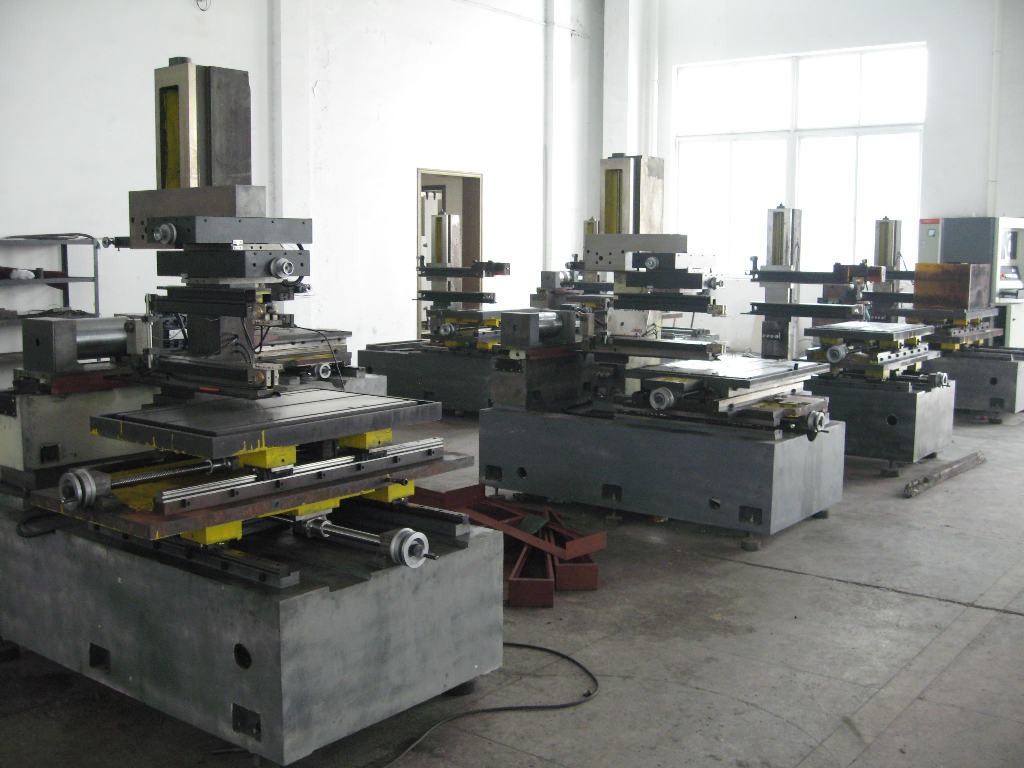
- The gap between the upper and lower guide arms is typically 100–120 mm. For workpieces thinner than 80 mm, frequent height adjustment is unnecessary.
- For workpieces thicker than 100 mm, keep the upper and lower flushing nozzles about 20 mm from the workpiece surfaces.
- General principle: do not set the frame too high, which leaves too much room for the wire to vibrate in the cutting zone, but allow enough travel for the molybdenum wire to pick up the dielectric and build up speed so that discharge debris entering the kerf is effectively flushed and exchanged.
Key point: When the flushing nozzle is too close to the workpiece surface, the wire cannot accelerate the fluid noticeably, weakening the flushing effect.
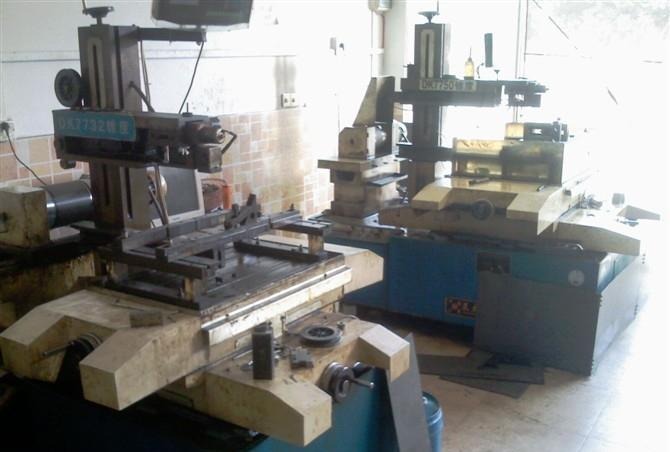
2. Recommended Distance Reference
- Guide wheel center to workpiece surface: 40–60 mm.
- Flushing nozzle to workpiece surface: 20–30 mm.
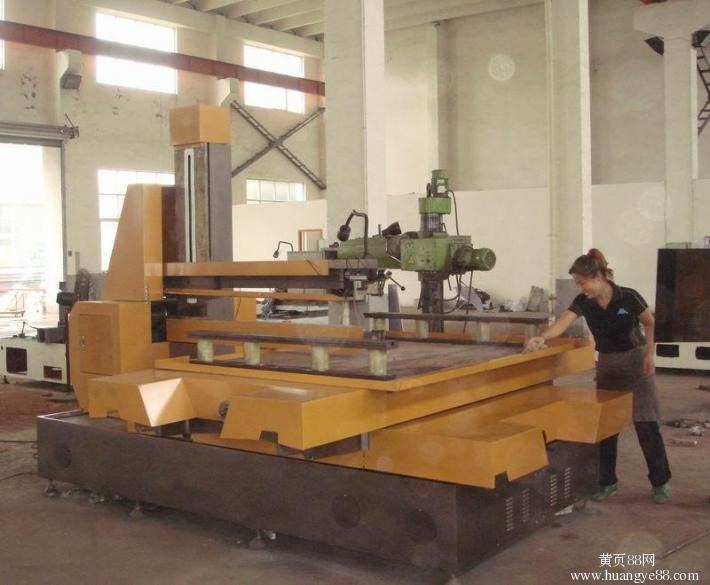
3. Precautions
Both a frame set too low and one set too high will increase reversal marks and worsen surface finish. The optimum range also depends on wire tension, the precision of the guide wheels and bearings, and frame vibration, so fine-tune the setting against the actual condition of the machine.
Summary: Guide arm height is a “hidden parameter” in machining. Setting the frame and nozzle heights to suit the workpiece thickness, together with proper wire tension and well-maintained guide wheels, effectively reduces reversal marks and improves surface finish.
Need more information? — we reply within 24 hours. Contact our sales team