
Cutting copper is a common wire EDM job, but red copper and brass behave very differently. Red copper is soft, sticky and conducts heat quickly, which makes it hard to machine. Brass is cleaner, wears less and cuts faster — a comparatively easy material. Knowing the specific requirements of each is the key to quality and efficiency.
1. Cutting Red Copper
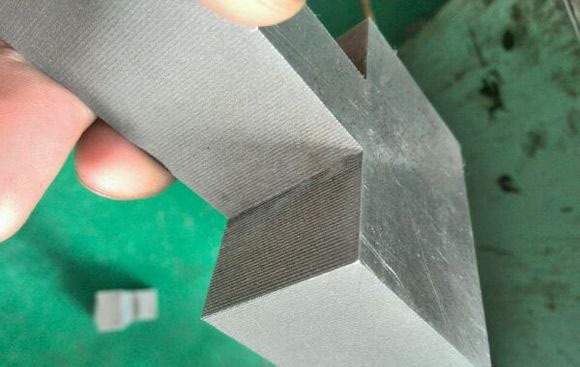
Common frustrations: slow cutting, unstable current, frequent short circuits and wire breakage. The core difficulties are that red copper is soft and sticky — it clings to the wire and blocks chip flushing — and highly conductive, so with narrow pulse width the discharge energy is carried away before it can erode material, and cutting stalls.
Pulse settings: wide pulse width is mandatory
- Because red copper conducts heat so well, narrow-pulse cutting fails — the energy dissipates before doing work. Use a wide pulse width, generally 40μs or more
- High current with wide pulse width boosts power so the pulse energy breaks through inclusions and clears short circuits; widen the pulse interval at the same time to lengthen the off time
- Do not let the feed tracking run too fast
- Above 50mm thickness, steel-optimized parameters produce slow cutting, frequent short circuits and wire breakage — switch to thick-workpiece settings
Dielectric fluid
- Do not reuse fluid that has been in service too long, and avoid oil-based dielectric with poor flushing; use fresh water-based dielectric where possible
- Dilute the mix generously for red copper and change it when dirty, balancing efficiency and cost
- Consider replacing the fluid before cutting thick parts
Clamping and maintenance
- Mind the clamping direction: clamp the side with the shortest cutting path in the third quadrant (X-negative), so the wire rarely travels in X-negative and breakage risk drops
- When the machine is idle, wash the wire on the spool with kerosene to remove stuck red copper chips; the next start runs cleaner
- After a break, discard the short side of the wire and reposition the remaining wire on the spool for continued use
- If chips jam the kerf and cause short circuits, switch off, stop the tank pump, and clean the blocked area until flow returns
2. Cutting Brass
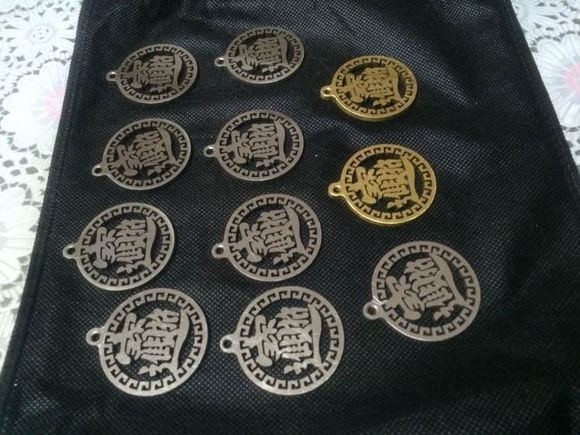
Brass is cleaner, low-wear and fast; the main concern is chip flushing:
- Set the flushing properly — brass is soft, so aim the nozzle water directly to clear chips
- Top up water and oil on long runs — maintain lubrication and flushing
- Avoid hard water — groundwater and other hard water hinder flushing; a small amount of dishwashing liquid or cleaner in the water improves chip removal
3. Summary Comparison
| Item | Red copper | Brass |
|---|---|---|
| Difficulty | High (sticky, fast heat conduction) | Low (clean, low wear) |
| Pulse settings | Wide pulse width (≥40μs) + high current | Normal settings, focus on flushing |
| Dielectric | Fresh water-based, diluted, changed often | Avoid hard water; detergent optional |
| Key points | Prevent breakage, short circuit, stalled cutting | Spray, top-up and flushing |
For red copper, hold the three essentials — wide pulse width, fresh fluid, sensible clamping. For brass, manage flushing. Both are a combination of parameters, fluid and operation.
Need more information? — we reply within 24 hours. Contact our sales team