
A small amount of foam on the worktable and in the tank is normal when using a water-based wire EDM fluid. To perform cleaning and flushing, the formulation includes surfactants and discharge promoters, so fresh fluid foams slightly at first and settles down after a while. If heavy foam appears after extended use, the cause lies in operation or equipment.
1. Fluid level too low. When the tank holds less than half its capacity, the pump keeps running and churning the fluid, which generates foam. Fix: top up with a properly mixed water-based solution as soon as the level drops below half — never add plain water.
2. Flow too fast. An over-fast pump speed, or debris wrapped near the pump inlet, makes the fluid move too quickly for bubbles to escape, and they accumulate.
Fix: check the pump and control the flow rate. Faster nozzle flow is not better — in wire EDM, the wire’s high-speed motion carries fluid into the kerf for cooling and chip removal, not the nozzle stream. The nozzle should simply wrap the wire evenly with fluid.
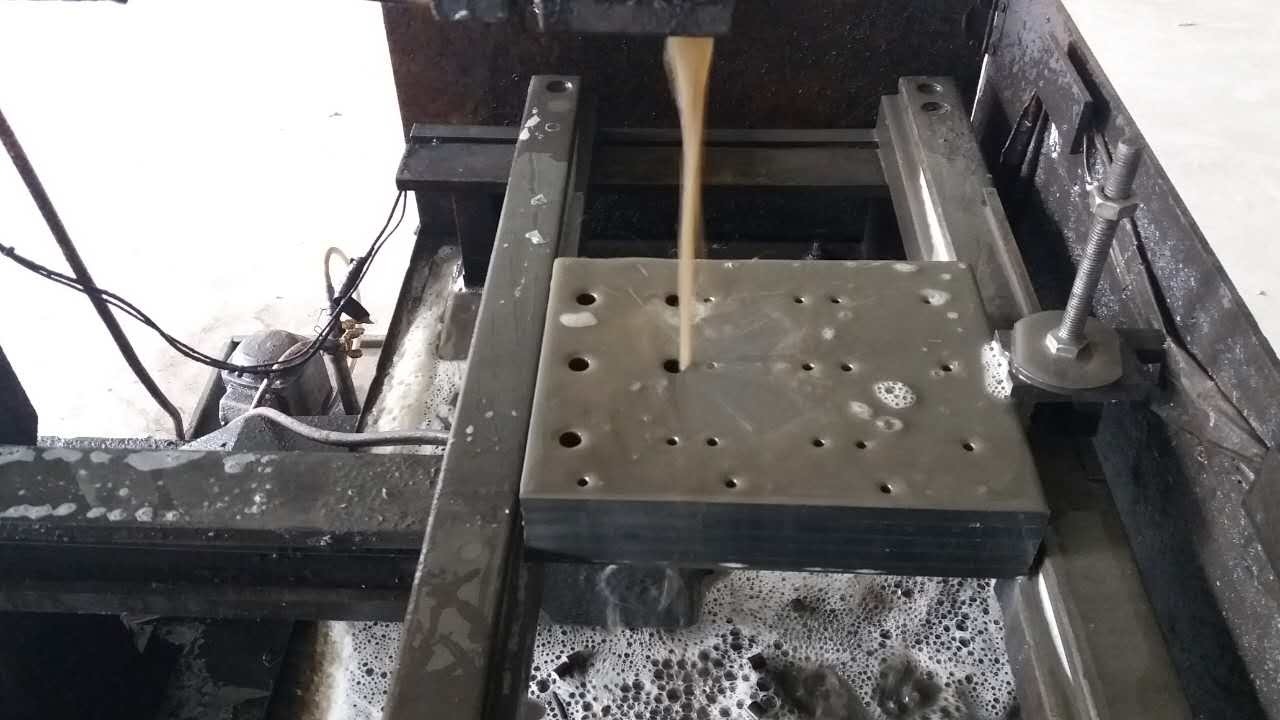
3. Too many right angles in the tank, or a nozzle set too straight. A tank with many square corners, or a nozzle angled too directly at the surface, sucks air in at the impact point and creates foam. Fix: reduce right angles when designing the tank; adjust the nozzle angle during use; keep the nozzle low rather than raised high; and check it for blockages.
4. Concentration too weak. Water-based fluids contain a fixed proportion of defoamer (foam suppressant). Adding too much water lowers the concentration, so the defoamer is diluted beyond its capacity and foam increases. In summer, water evaporates faster than the concentrate is consumed, which actually raises the tank concentration — adjust accordingly. Fix: mix strictly to the recommended ratio and do not cut costs by adding more water and less concentrate. Wrong concentration does more than foam: cutting efficiency and accuracy drop, machine parts wear faster, and both workpieces and the machine can rust. In summer, dilute slightly more when topping up.
5. Mixing different fluids. If the machine and tank are not cleaned before switching to a new product, components in different formulations can react, changing performance and producing foam. Fix: clean the machine and tank thoroughly before changing fluids. When moving from an oil-based to a water-based product, remove all the sludge from the tank and worktable — heavy old deposits can even block flushing.
Summary. When foam becomes excessive, work through the sequence “level → flow → nozzle → concentration → mixing” and most cases are resolved quickly. Correct mixing and regular maintenance are what keep fluid performance stable and foam under control.
Need more information? — we reply within 24 hours. Contact our sales team