
Short circuiting is the most common problem in wire EDM, and the cause differs by scenario. A short can interrupt the cut, snap the wire and scrap the workpiece.
1. Short at reversal. Three factors: one-sided slack — tension differs between directions, so the wire freezes briefly at reversal and touches the workpiece; an automatic tensioner keeps it tight. Detection time too short — the momentary voltage loss at reversal is misjudged as a short; set it to 5–10 seconds. Over-tight tracking — voltage drops during reversal braking; slowing the tracking solves it.
2. Short at welded joints. Weld slag in the joint cannot be cut (worst with TIG). Chip or grind off the weld bead first; at the weld point slow the tracking and raise current and pulse interval so the slag melts and flushes away; never rush — breakage is worse than slow progress.
3. Shorts and path distortion on aluminum. Aluminum is light, soft and hard to flush. On thick cuts the fluid cannot reach the gap, producing a “current without discharge” short — and the discharge point can shift to the conductive block, where the machine reads normal discharge while the wire drags a groove through the soft aluminum and distorts the path. Fixes: reduce pulse width and increase pulse interval; on thick aluminum use an interval at least 8× the width and current under 2A, narrowing the interval once stable; use a larger-diameter wire; keep the fluid clean; rotate or replace the conductive block.
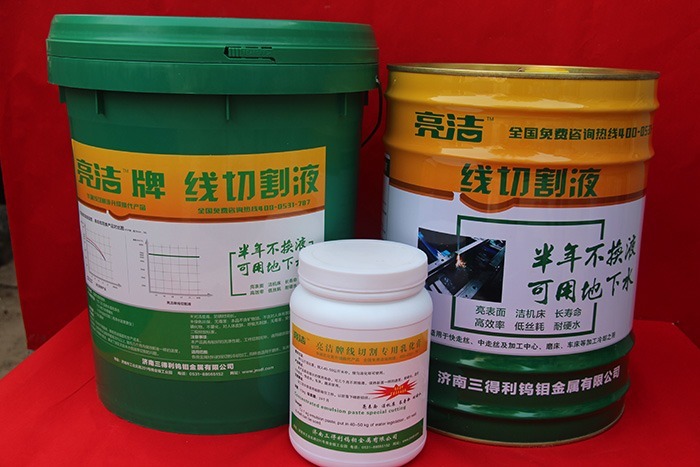
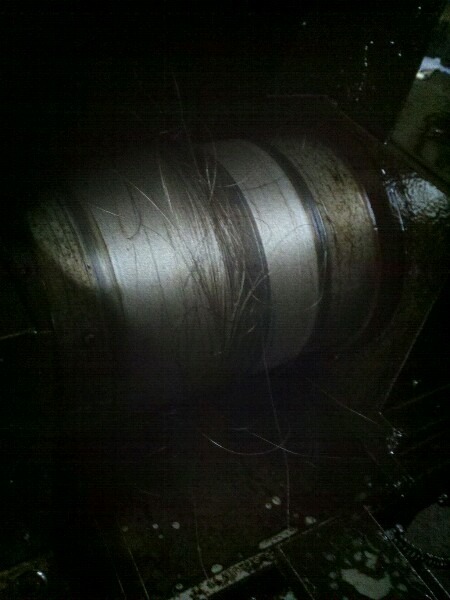
4. Short during air cut. An air cut without high-frequency power cannot short in theory. If a powered air cut shorts, check the ammeter. With current, something on the workpiece is touching the machine — keep it insulated from the frame. Without current, the control card may be faulty, or two software instances are running; also check that the conductive block does not touch the machine.
5. Pump start trips the machine. Relay problem: when the pump relay closes, a short across its output (a wire or iron fragment) trips the machine. Motor sealing: water in the connector or damaged wiring shorts out. Motor damage: a missing phase or overload — check the input and output with a multimeter.
6. Mid-cut shorts. Cast iron has non-conductive sand holes that make cutting unstable; avoid it where possible. If tracking is too fast, slow it. For parameter mismatch (power too low for the height, common on tall workpieces), press the short-circuit retraction key (auto-retract 5–15 seconds), raise high-frequency power (wider pulse, higher voltage, more transistors; enlarge the interval on tall workpieces), and adjust the sampling value. For poor flushing, change the fluid and add emulsifying soap; kerosene in the kerf helps on thick parts. Emergency: with switches off and the pump stopped, brush solvent into the kerf along the wire, gently touch the wire with a screwdriver opposite the feed, then restart — the wire’s vibration restores discharge.
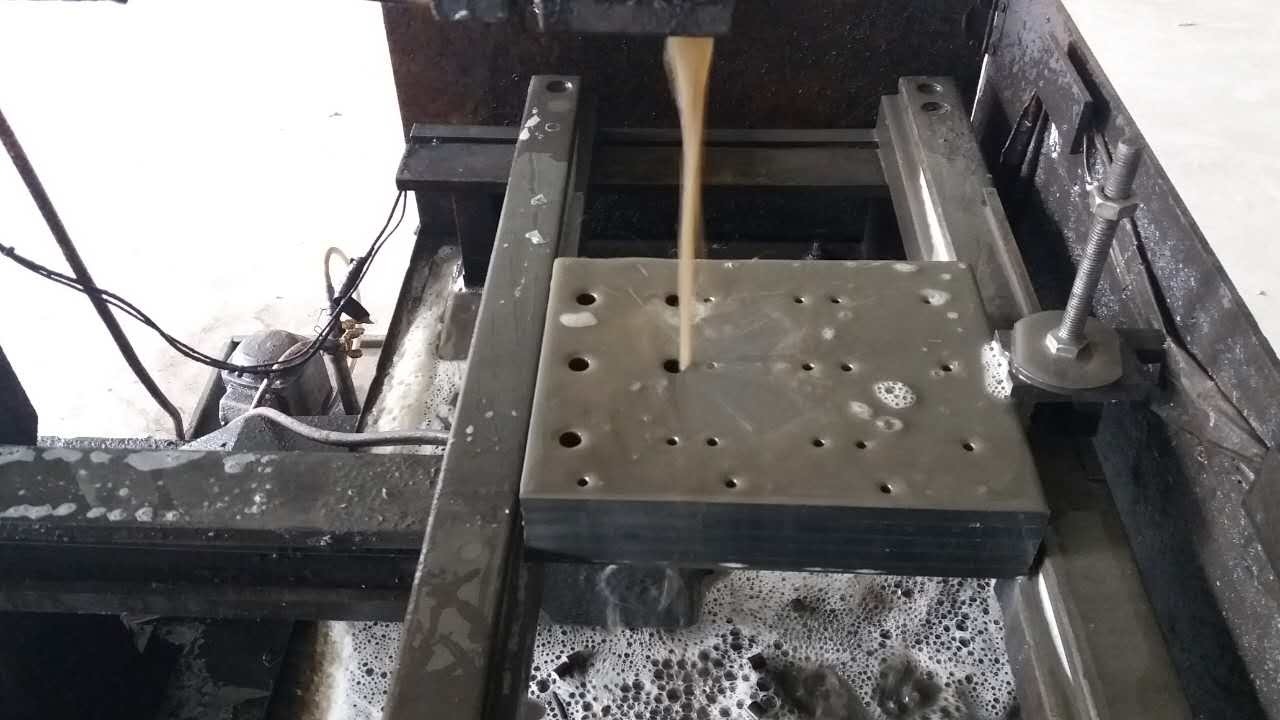
7. Short without retraction. Thick workpieces flush poorly and the wire bends without breaking — lower the maximum cutting speed and improve flushing. A deep groove in the conductive block prevents real-time sampling — replace the block. Sampling line disconnected or oxidized — reconnect it (positive on the table, negative on the block). Controller or control card fault — replace the controller.
In short: identify the scenario first, then follow the matching checklist. Most shorts are resolved by adjusting tracking, parameters or fluid; for electrical components, arrange professional service and stay safe.
Need more information? — we reply within 24 hours. Contact our sales team