
Wire EDM quality rests on machine accuracy and disciplined operation. The practices below condense years of field experience into operating tips, preparation, precautions and quality control.
1. MS-WEDM operating tips. Add the molybdenum wire radius to the cut length for high-accuracy edge locating. Check the wire before tall workpieces and replace it if needed. Inspect the fluid tank daily or every other day. Replace the conductive block when its groove gets too deep, or the wire can jam and snap. For large workpieces, confirm machine travel by touching one edge, zeroing, traversing to the opposite side and dividing by two. For aluminum, use a shorter conductive block on small jobs, brush kerosene on the wire every half hour to clean off oxide, and lay a flattened molybdenum wire ball on the block as a low-cost contact aid.
2. Pre-cutting preparation. Release wire tension first when checking alignment with a dial indicator. Clean the workpiece surface — dirt affects accuracy. Re-tension the wire every few hours during long cuts. Use a very dilute fluid mix, or plain water, for aluminum and copper.
3. Ten machining precautions.
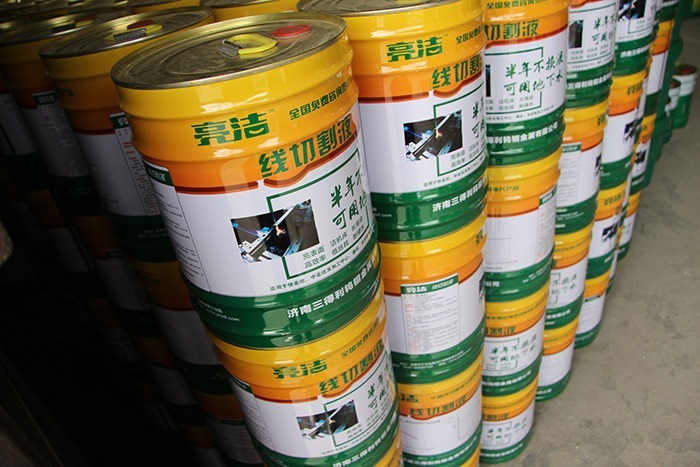
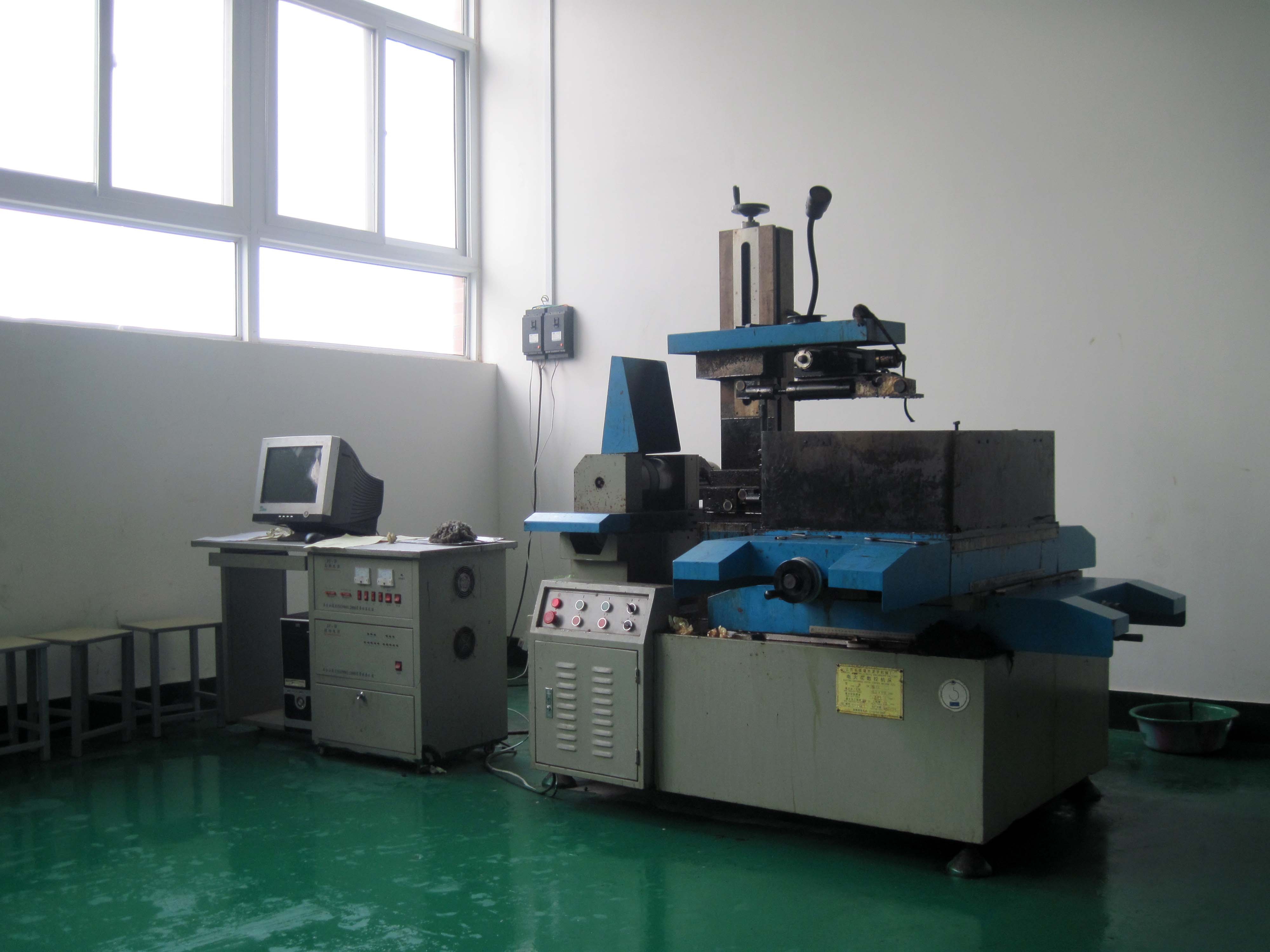
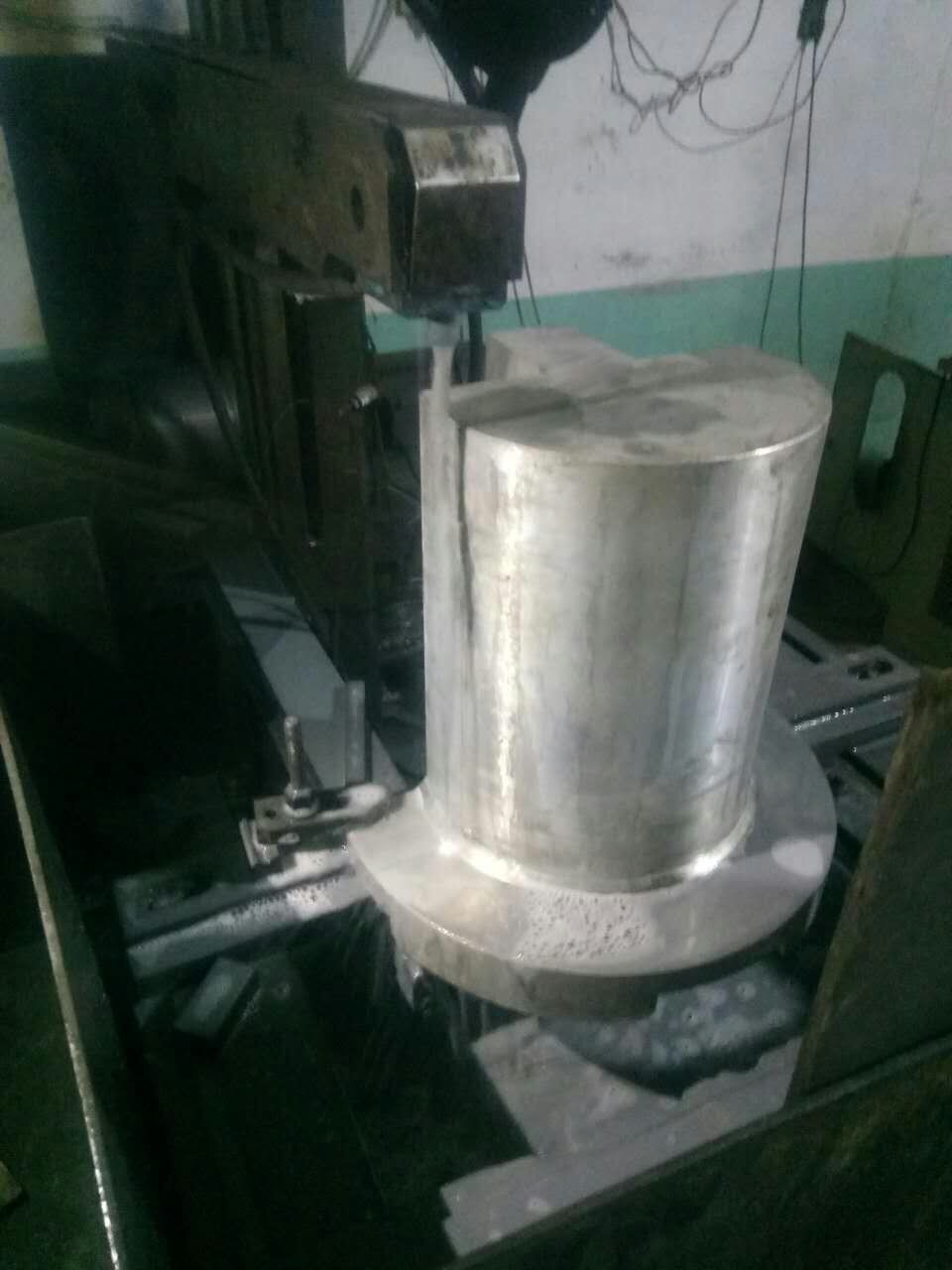
Keep the fixture area clear during discharge machining. Plan the clamping and the threading/lead-in point so the path stays clear. Keep the wire in the guide wheel groove and in good contact with the conductive block when threading or tensioning. Remove the hand crank after use. Mix the fluid at the proper concentration. Keep nozzle flow moderate to avoid splashing. Watch the running machine and eliminate hazards early. Secure small offcuts before cutting them free so they cannot fall into the lower nozzle. Protect exposed surfaces of long-running parts against rust. Compensate for temperature differences.
4. Five measures for better quality.
- Tension: raise it as far as possible without breakage for high-finish work.
- Dielectric insulation: HS-WEDM and MS-WEDM use water-based dielectrics. If insulation is too low the fluid conducts and cannot discharge; too high, and the gap narrows, flushing worsens and speed drops.
- Conductive block: rotate or replace it after 50–80 hours at high wire speed; re-check wire verticality after any change.
- Guide wheels and nozzles: worn parts cause wire vibration, waviness and poor roughness. Check rotation and nozzle condition; inspect the spooled wire and replace it when worn.
- Voltage stability: unstable voltage causes erratic discharge and poor finish; install a stabilizer where needed.
5. High-precision MS-WEDM practice. Pre-drill a 1.0–1.5mm threading hole with a 5–10mm lead-in. Keep the punch contour at least one fifth of the blank thickness from the blank edge. Place the 3–4mm bridge section near the blank’s center of gravity. Leave most deformation in the first rough cut (offset 0.15–0.18mm) so the finish cuts deform little. After the four cuts, glue a ground 0.3mm shim onto the blank with instant adhesive, then cut the bridge at the original offset — keep glue off the bridge so it stays conductive.
In short: wire EDM quality is the combined result of preparation, operation and maintenance. Controlling tension, fluid, conductive block, guide wheels and power supply delivers consistent results.
Need more information? — we reply within 24 hours. Contact our sales team