
Cutting efficiency, molybdenum wire wear and workpiece surface roughness pull in opposite directions, and no single pass can maximize all three: high efficiency means poorer finish and heavier wire wear; a fine finish demands low cutting efficiency. Multi-pass cutting (finish cutting) is the process that resolves this conflict.
1. The Cutting Sequence
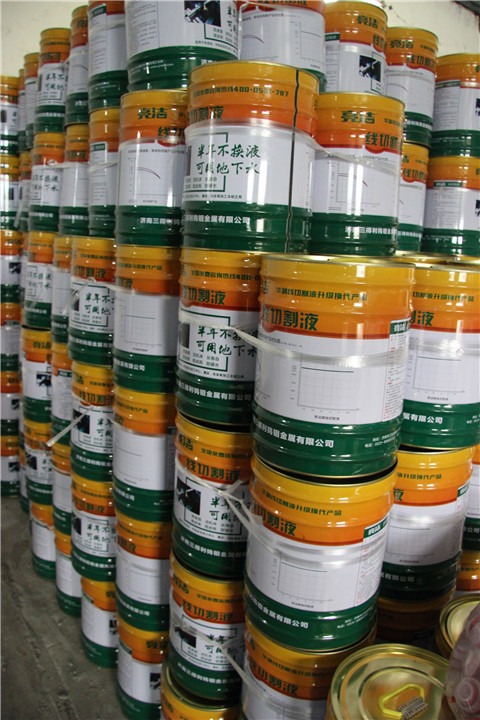
The core upgrade from HS-WEDM to MS-WEDM is finish-cut capability (multi-pass cutting). The usual sequence:
- First pass: cutting, at high efficiency.
- Subsequent passes: refining surface finish.
This is why MS-WEDM achieves a higher surface finish than HS-WEDM.
2. Controlling Molybdenum Wire Wear (Key to Accuracy)
The molybdenum wire discharges repeatedly during multi-pass work. As the cut area grows, the wire stretches and wears, growing thinner, which erodes accuracy and weakens discharge quality in later passes. Therefore:
- Measure the actual wire diameter before each cutting cycle and set compensation from the measured value.
- Re-tension new wire after cutting the lead-in (guide) path and before the formal cut.
- After long reuse, measure diameter and roundness, and replace the wire when wear becomes significant.
3. Checks Before and During Finish Cuts
- Dry run: run the wire with no discharge and check for vibration and correct tension — the sapphire guide eyes fitted as standard on MS-WEDM keep the wire stable.
- Conductive blocks: check the contact surface for discharge marks and make sure the wire is not cutting into the block.
- Dielectric flow: verify normal flow rate.
- Program simulation: simulate the sequence before cutting to confirm the generated program is correct.
- Remaining stock: for the final cut-off part, leave a generous remaining stock based on the material to reduce distortion effects.
4. Handling Surface Issues After Cutting
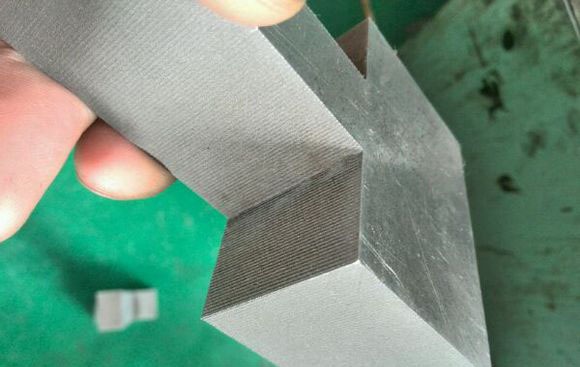
- Surface line marks: possible causes include wire vibration, material distortion and improper offset settings — check each one.
- Severe dark staining at both ends: usually a dielectric problem; switch to a suitable working fluid.
- Cleaning: finished parts can be cleaned with oxalic acid, concentrate or kerosene, wiped dry with a clean white cloth, then coated with rust-prevention oil.
Summary: multi-pass cutting is about “separating efficiency and quality across passes.” Follow the first-pass-cuts, later-passes-refine sequence, control wire wear, and complete the pre-cut checks, and high-finish, high-accuracy results become routine.
Need more information? — we reply within 24 hours. Contact our sales team