
Poor wire EDM surface finish comes down to two groups of causes: non-electrical and electrical. Understanding how each factor acts is the first step toward better surface quality.
1. Non-Electrical Factors Affecting Surface Finish
Wire material, diameter and speed.
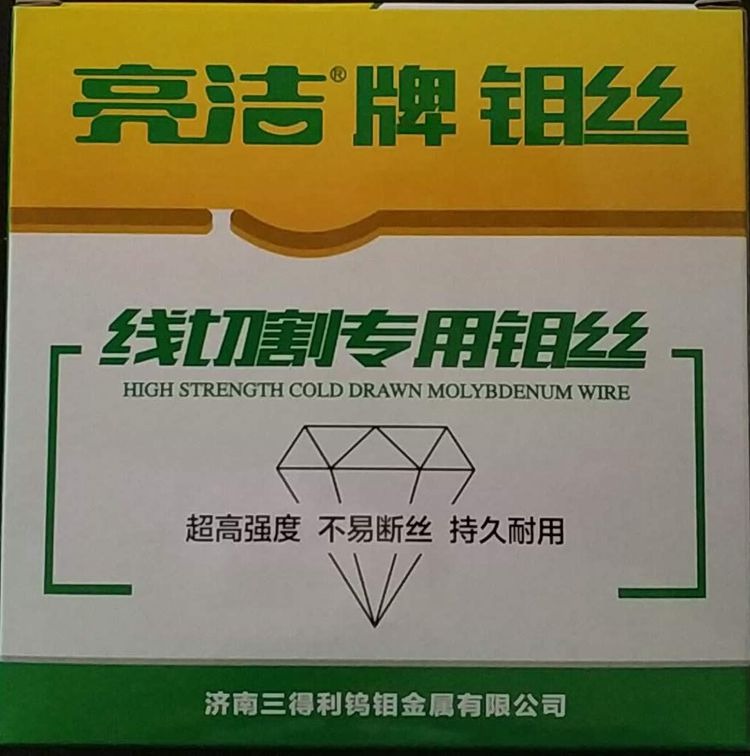
- Material. Molybdenum has a high melting point, resists high-temperature erosion and tension, and withstands the spark environment, which is why it is the mainstream electrode wire in this process. Copper and tungsten wire are far less used for performance and cost reasons.
- Diameter. A larger diameter removes more metal per pulse in the same time, slowing machining and lowering accuracy. A thick wire gives a wider kerf, easier flushing and a stable process, but struggles with sharp internal corners. A thin wire improves accuracy but breaks more easily and is harder to keep stable.
- Wire speed. Higher speed improves flushing, but the spool covers its full traverse faster, increasing reversal frequency and non-machining time. Machining speed actually drops.
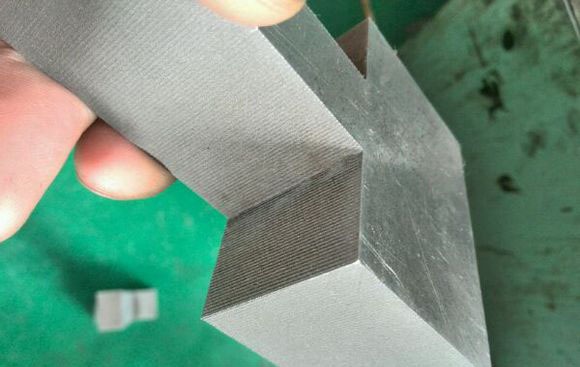
Tension matters. Too little tension lets the wire shake under discharge and flushing forces, producing barrel shape, wire marks and rounded corners, and triggering short circuits. Too much tension makes the wire thinner and more brittle after erosion, inviting breakage. Re-tensioning the wire in time and holding the right tension is a key operation for surface finish.
Workpiece material and thickness.
- Material. Cast iron, or tungsten steel whose melting point is close to that of the molybdenum wire, gives poor surface finish. Materials with poor conductivity or meltability cut slowly: melting the same volume takes longer and flushing problems leave a rough surface.
- Thickness. On thin workpieces the fluid reaches the discharge gap easily, so flushing and de-ionization are good and the process is stable, but the wire tends to vibrate. Thick workpieces resist fluid entry and are less stable, yet the wire vibrates less and finish is relatively better. For the same conditions, thicker workpieces cut more slowly.
Other non-electrical factors. Feed rate, dielectric type, concentration, contamination and flow rate, mechanical accuracy of the machine axes, and control-system accuracy all influence surface finish.
2. Electrical Factors Affecting Surface Finish
Electrical parameters are the core of surface finish:
- Pulse interval. Governs de-ionization and flushing; too short an interval causes continuous discharge.
- Pulse width. Determines the energy per discharge and the state of the machined surface.
- Peak current. Excessively high current concentrates discharge energy and roughens the surface.
- Open-circuit voltage. Affects the discharge gap and process stability.
Electrical parameters should be set for the workpiece thickness and material and coordinated with mechanical and workpiece conditions.
3. A Check Sequence for Better Surface Finish
Work through the factors in the order electrical parameters → wire feeding → workpiece → dielectric:
- Confirm the electrical parameters (pulse width, pulse interval, peak current, open-circuit voltage) match the current workpiece.
- Check wire tension and re-tensioning schedule, and whether the wire diameter is right for the job.
- Assess the inherent effect of workpiece material and thickness on finish, adjusting the process if needed.
- Check dielectric concentration, contamination and flow rate, plus machine mechanical and control accuracy.
Summary. Finish problems are rarely caused by a single factor. They are the combined result of electrical and non-electrical influences. Working through the framework above and adjusting factors together is the reliable route to better wire EDM surface quality.
Need more information? — we reply within 24 hours. Contact our sales team