
Wire breakage interrupts production and wastes both wire and time. In most cases the cause is mechanical, not the fluid. Checking these three areas first resolves the majority of cases.
1. Conductive block wear. The wire runs against the conductive block for hours, gradually cutting a groove. When the groove becomes too deep, it disturbs the discharge gap and eventually snaps the wire. Keep the block smooth and replace it before the groove deepens.
2. Wire spool (reel) run-out. Radial run-out of the wire spool changes wire tension during cutting and can cause overlapping wraps, which lead to breakage. Check the spool precision periodically and adjust it. Also leave 5–10mm of wire at each end of the spool so tension does not spike at reversal.
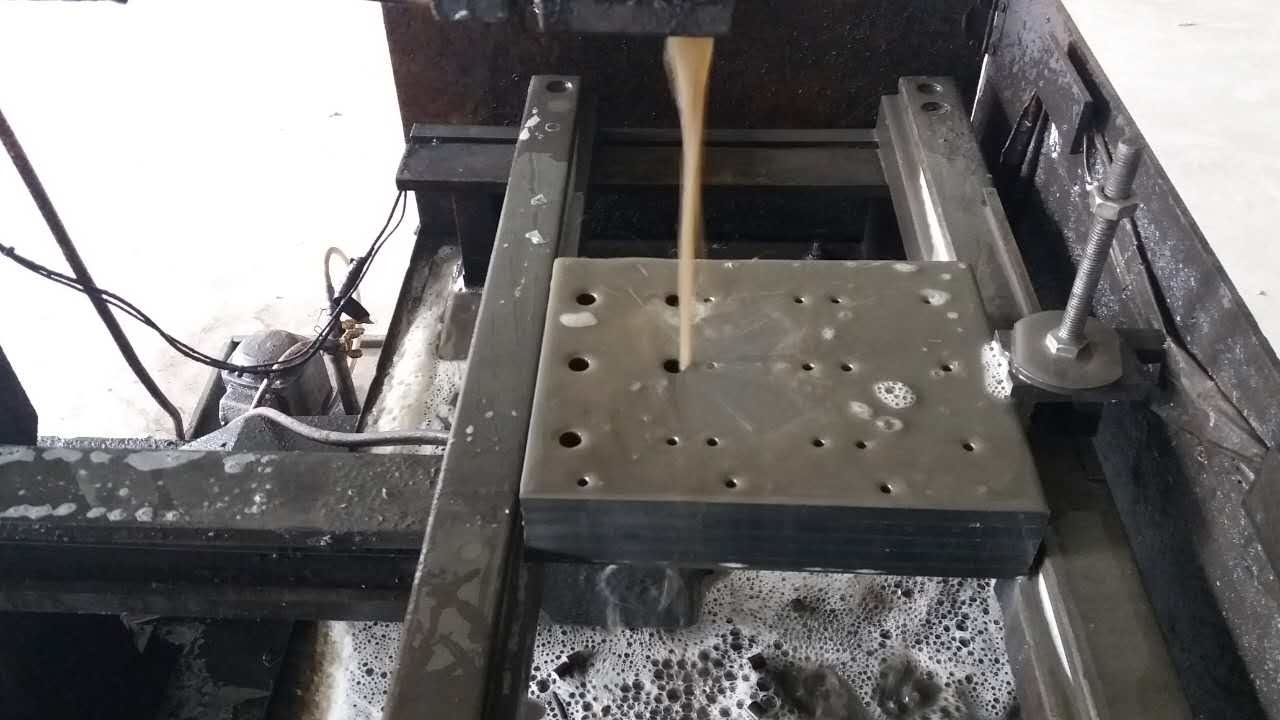
3. Winding and tension settings. Correct winding and suitable tension are essential. Experience shows a wire tension of about 12–15N works well for most machines, with wire speed kept under 10m/s. Too-high wire speed causes vibration and instability; too-low speed increases wear — both can break the wire.
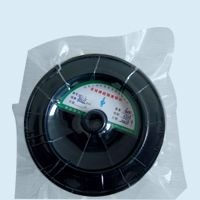
If breakage persists after checking these, inspect the guide wheels and bearings for wear, confirm the reversal limit switch cuts the high-frequency power on direction change, and make sure the spool does not overrun its travel at reversal.
Used correctly, a well-maintained machine with proper tension settings will run for long periods without breakage — letting you focus on the job, not the machine.
Need more information? — we reply within 24 hours. Contact our sales team