
 Exhibition 2026-08-28
 JIELUME Presents at 2026 Metalworking Exhibition
JIELUME showcased its wire EDM fluid series and molybdenum wire at the 2026 metalworking exhibition in Jinan.
 Technical Article 2026-08-16
 Wire EDM Alignment Methods: From Dial Indicator to Spark Method
Workpiece alignment determines positional accuracy and part quality in wire EDM. This article covers six alignment methods — dial indicator, scribed line, paper template, spark discharge, tooling hole and multimeter resistance — plus dialing-in a clamped workpiece with a micrometer gauge.
 Technical Article 2026-08-01
 Cutting Aluminum on Wire EDM: Parameters, Practice and Part Retention
Aluminum is notoriously difficult on wire EDM — it wears conductive blocks, breaks wire, and finished parts can drop and snap the molybdenum wire. This article covers pulse parameter settings, a sponge trick on the upper wire guide arm, dielectric dilution, and five ways to keep parts from falling.
 Technical Article 2026-07-17
 How to Select Bearings for Wire EDM: Three Verification Points
Bearing quality directly affects wire run-out and machine life, but counterfeit imported bearings are common in the market. This article explains three checks — color, packaging and stamped markings — to help buyers avoid fakes.
 Technical Article 2026-07-02
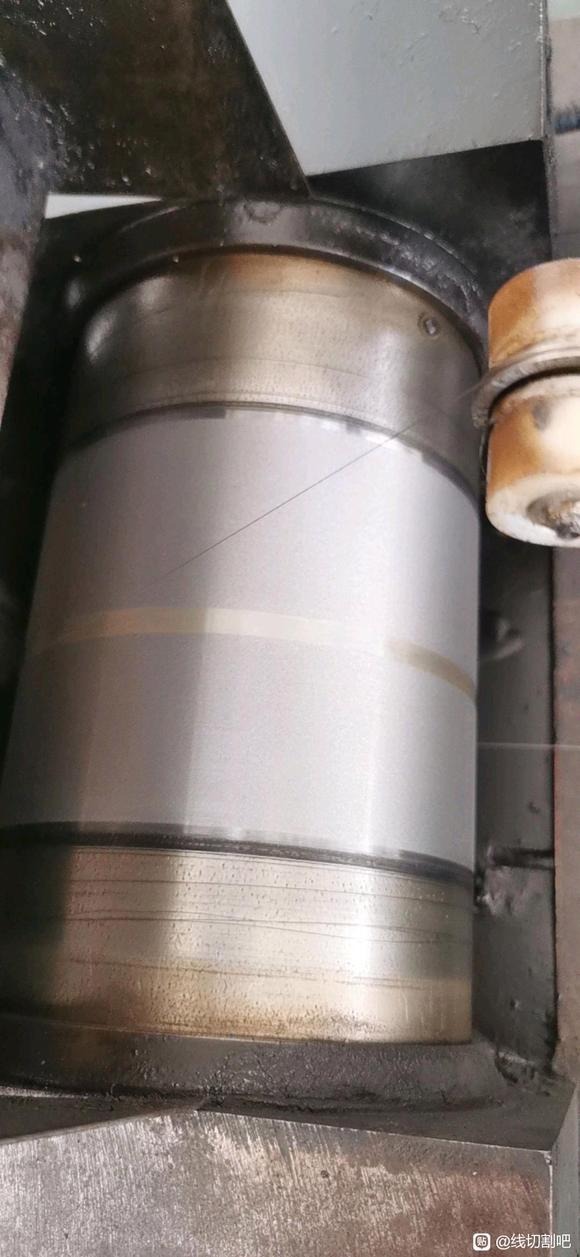
 Wire EDM Brake Failure: Principle, Causes and Repair Steps
A spool that will not brake forces operators to stop the wire spool only during reversal — a dangerous situation. This article explains how the HS-WEDM spool brake works, the two main reasons it fails, and a step-by-step troubleshooting path from no braking at all to incomplete braking.
 Technical Article 2026-06-17
 Wire EDM CAD and Programming: G Code, Tool Paths and Image Conversion
CAD drafting and programming are the foundation of wire EDM work. This article covers common G codes and program structure, tool path layout principles, converting an image into a cutting drawing in CAD and CAXA, and programming tips for clean entry, distortion control and consistent thick-part dimensions.
 Technical Article 2026-06-02
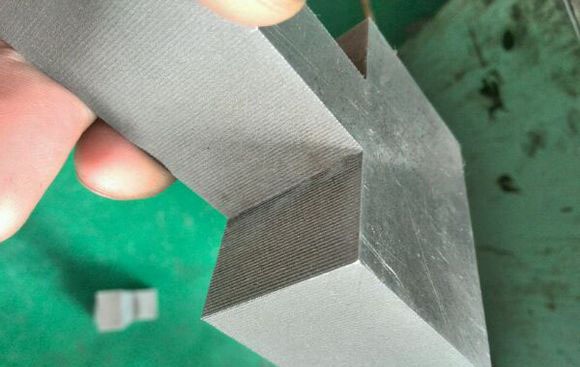
 Cutting Cast Iron on Wire EDM: Difficulties and Practical Solutions
Cast iron is hard to machine on wire EDM because the casting process leaves impurities and gas porosity that cause short circuits, repeated retraction and even complete failure. This article explains how to tell porosity from non-conductive inclusions, adjust electrical parameters, and set expectations before accepting a job.
 Technical Article 2026-05-18
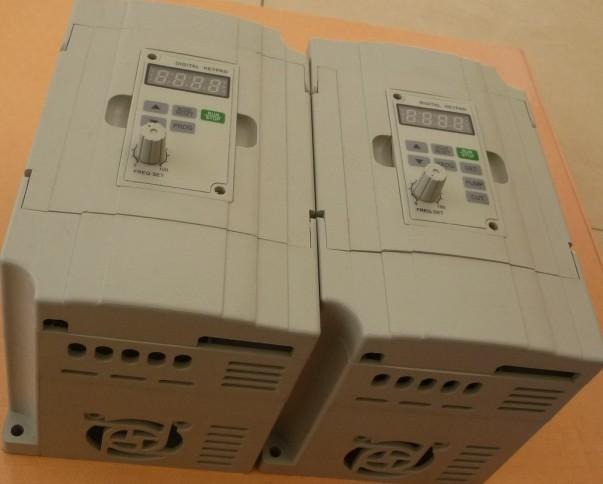
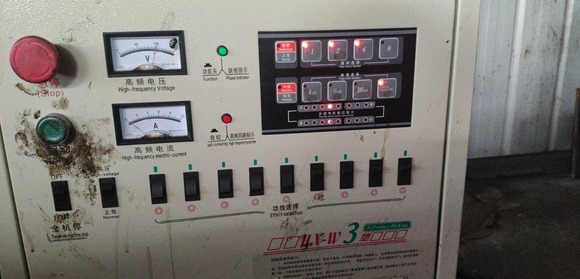
 Wire EDM Circuit Fault Analysis: Four Methods, Blown Fuses and Drive Faults
Troubleshooting wire EDM circuit faults needs a systematic approach. This article presents four analysis methods — divide and conquer, reverse reasoning, circuit simulation and spare-part substitution — plus five checkpoints for repeatedly blown fuses and common variable-frequency drive faults with their remedies.
 Technical Article 2026-05-03
 Wire EDM Tripouts in Humid Weather: Three Targeted Fixes
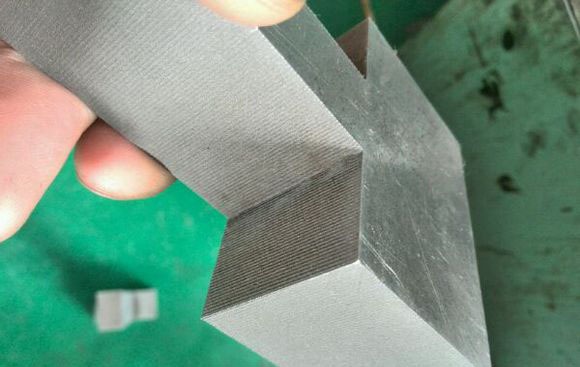
During monsoon seasons, wet weather or prolonged rain, wire EDM machines frequently trip the circuit breaker. The root cause is condensation on the electrical cabinet and exposed wiring triggering short circuits. This article offers three targeted solutions: drying with hot air, moisture absorbers, and improving cabinet sealing.
 Technical Article 2026-04-18
 Wire EDM Compensation and Offset Calculation: From Basic Formulas to Die Machining
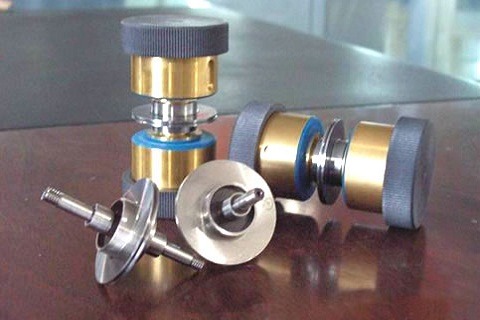
Wire EDM offsets account for the molybdenum wire radius plus the discharge gap. This guide covers the basic formula, inside/outside offset direction, die-machining examples, multi-pass settings and manual skim-cut compensation for HS-WEDM.
 Technical Article 2026-04-03
 Cutting Aluminum on Wire EDM: Conductive Block Wear Causes and Fixes
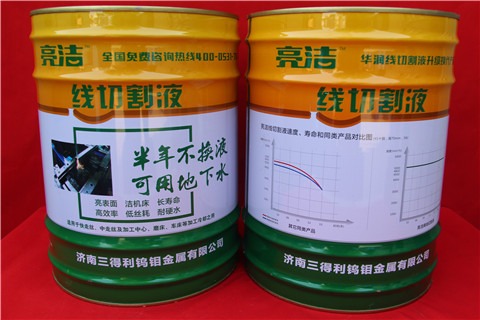
Cutting aluminum wears conductive blocks fast and forms deep grooves that trap and break the wire. The causes are alumina grit and spark erosion; the fixes are pulse parameter tuning, fluid management, operating technique and an aluminum-cutting device.
 Technical Article 2026-03-19
 Wire EDM Flushing Problems: Poor Spray Focus, Low Pressure and Filter Tank Installation
Poor flushing on wire EDM causes reversal marks and dark-light water streaks. This guide covers how to trace misaligned spray, low pressure and weak flow, plus the filter tank installation steps that keep the flushing system stable.
 Technical Article 2026-03-04
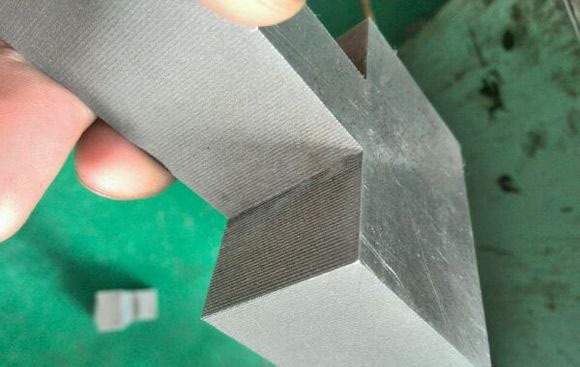
 Cutting Copper on Wire EDM: Machining Guide for Red Copper and Brass
Red copper is soft, sticky and highly conductive, making it prone to wire breakage, short circuits and slow cutting; brass is easier but needs careful chip flushing. This guide covers pulse settings, dielectric selection, clamping direction and flushing tips for both.
 Technical Article 2026-02-17
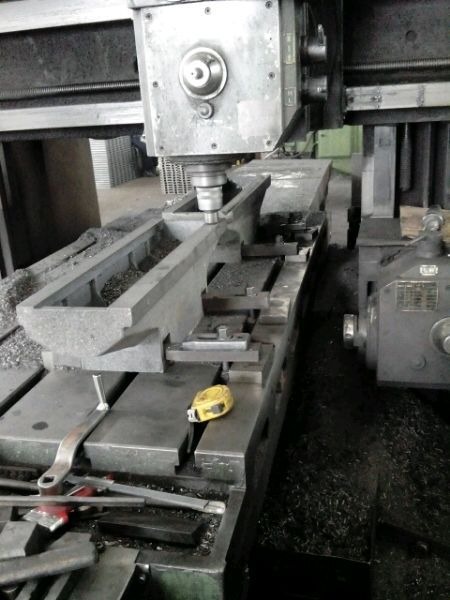
 Wire EDM Corner Cleaning: Principles, Settings and Inclined-Cut Machining
Wire lag in wire EDM rounds off square-hole corners and leaves a ridge inside round holes. Corner cleaning pauses the table at corners so the wire catches up; this guide explains the settings, over-cut, and inclined-path machining for complex features.
 Technical Article 2026-02-02
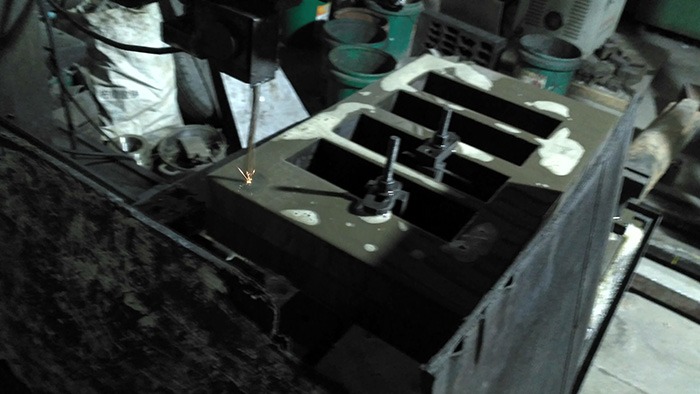
 Wire EDM Basics: Principles, Machine Structure and Key Advantages
Wire EDM uses a thin wire electrode and pulsed spark discharge to erode metal into shape. This beginner's guide covers the working principle, machine components, the three machine classes, why molybdenum wire is the electrode of choice, and eight key advantages.
 Technical Article 2026-01-18
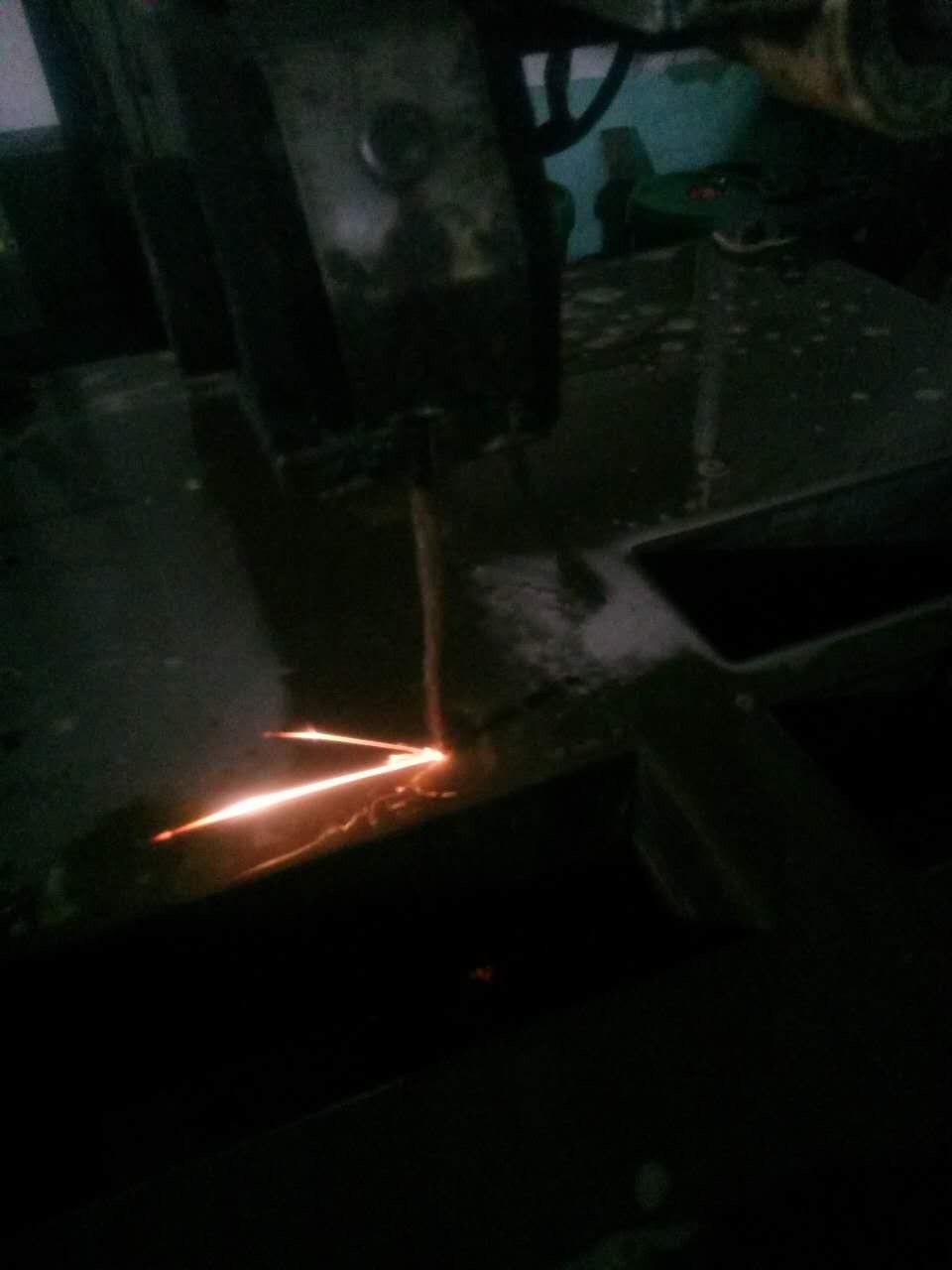
 Improving Wire EDM Efficiency: Benchmarks, Hardware Limits and Seven Practical Measures
Cutting efficiency drives wire EDM cost. This guide benchmarks HS-, MS- and LS-WEDM productivity, explains the hardware causes of slowdowns (electrical faults, poor insulation, aged lines) and lists seven practical measures to raise cutting speed.
 Technical Article 2026-01-03
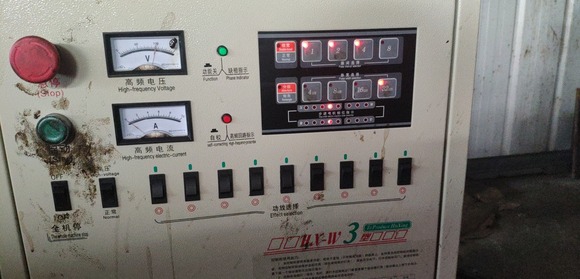
 Wire EDM Electrical Leakage: Seven Causes and How to Fix Them
Wire EDM machines combine electricity and water, so leakage is a direct safety hazard. This guide covers the seven causes of a live machine frame — grounding, mains supply, transformer, windings, pump water ingress, dirt short circuits and the brake capacitor — plus a stepper-motor leakage check when threading burns the wire red.
 Technical Article 2025-12-19
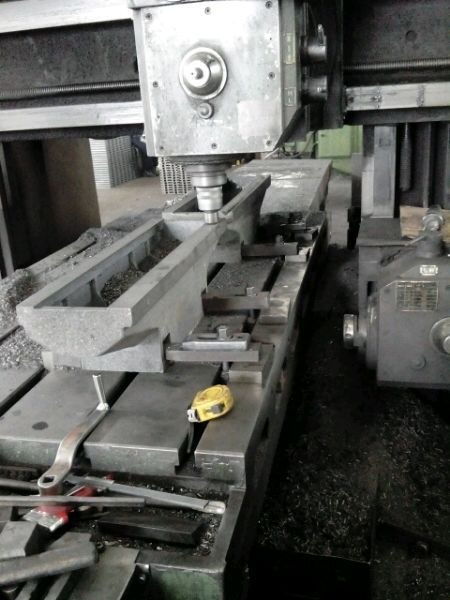
 Wire EDM Emergency Stop: Checking the Switch and Relay
The emergency stop is a key safety device on wire EDM machines. A button that does not work, or a machine that trips by itself, usually points to the stop switch or the relay inside the control cabinet. This guide covers multimeter checks and replacements.
 Technical Article 2025-12-04
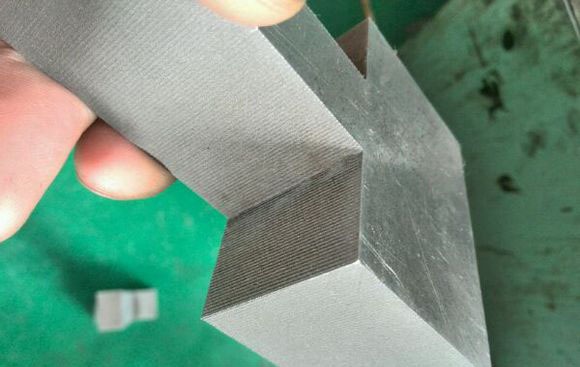
 Wire EDM Lead-In Marks: Causes and Solutions
Marks, grooves or ridges at the lead-in point of a wire EDM cut are common and cannot be fully eliminated — but they can be minimized. This article covers the three main causes — XY axis backlash, material deformation and fluid ratio — and practical fixes such as multi-cut passes and corner cleaning.
 Company News 2025-11-19
 Export Packaging and Logistics Update
Standardized export packaging and updated shipping documentation for smoother international delivery.
 Technical Article 2025-11-04
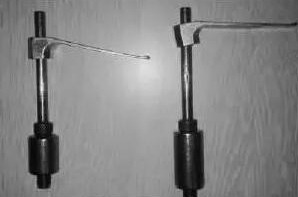
 Preventing Cut Parts From Falling and Breaking the Wire: Six Practical Methods
When a large part or slug drops off at the end of a cut, it often snaps the molybdenum wire — a common and costly loss. These six practical methods — magnets, clamps, programmed allowance, wire buffering and more — suit different materials and unattended night-shift work.
 Technical Article 2025-10-20
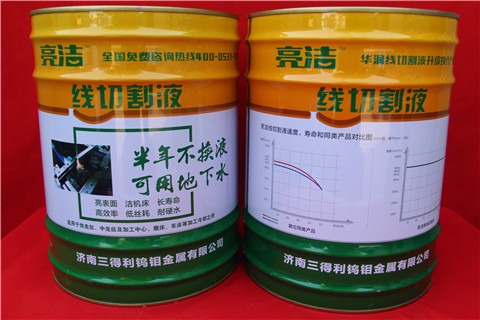
 Antifreeze and Corrosion Protection in Wire EDM Working Fluids
Engine coolant does more than prevent freezing — it protects mixed-metal systems from corrosion and rust, the same principle metalworking fluids rely on. This article explains how corrosion inhibitors work and how they apply to wire EDM working fluids.
 Technical Article 2025-10-05
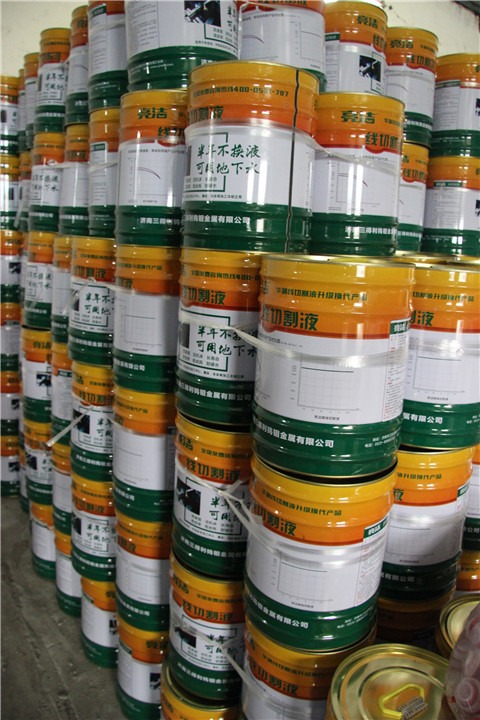
 What Is in Wire EDM Fluid? A Breakdown by Type
Wire EDM fluids come in many varieties with different formulations. By composition they fall into three types — pure oil, emulsion (saponified) and water-based synthetic. This article explains the composition, dilution method and best use for each type.
 Technical Article 2025-09-20
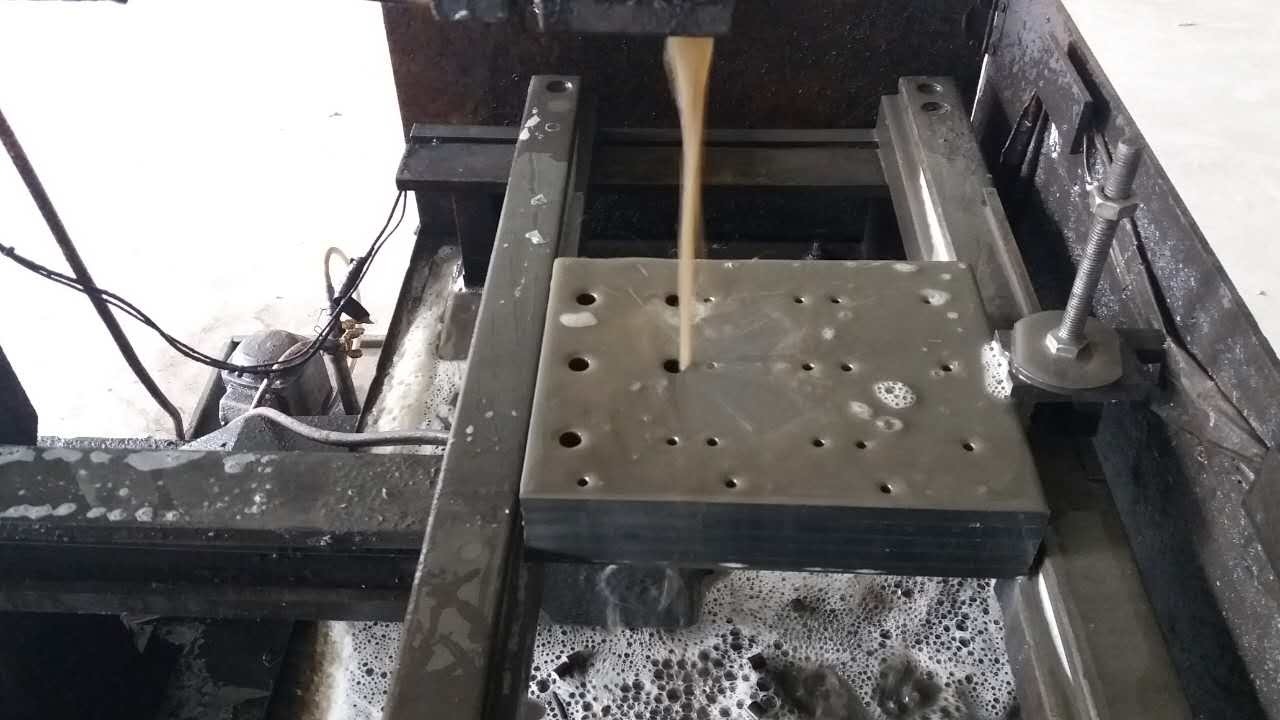
 Excessive Foam in Wire EDM Working Fluid: Four Causes and Fixes
A little foam in a water-based wire EDM fluid is normal; a lot of foam on the worktable and in the tank points to an operational or equipment problem. This article covers the four main causes — low fluid level, excessive flow, nozzle angle and weak concentration — and how to fix them.
 Technical Article 2025-09-05
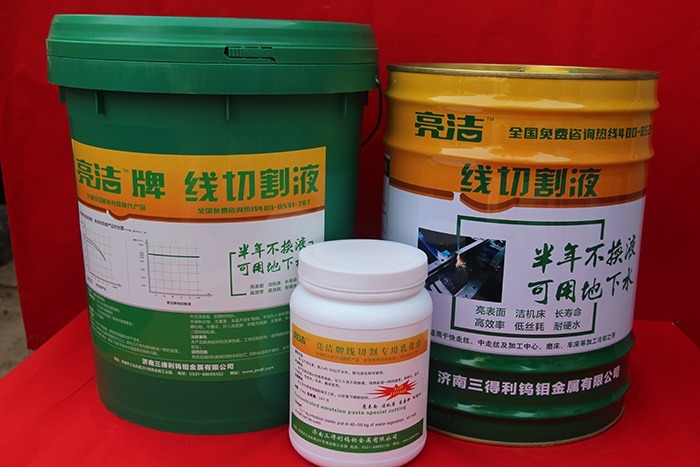
 Is Your Water-Based Wire EDM Fluid Hard-Water Tolerant?
Mixing ordinary wire EDM fluid with hard groundwater causes separation, discoloration, slower cutting and shorter life, because calcium and magnesium ions react with the fluid to form flocculants. This article explains the mechanism and how to choose a hard-water-tolerant fluid.
 Technical Article 2025-08-21
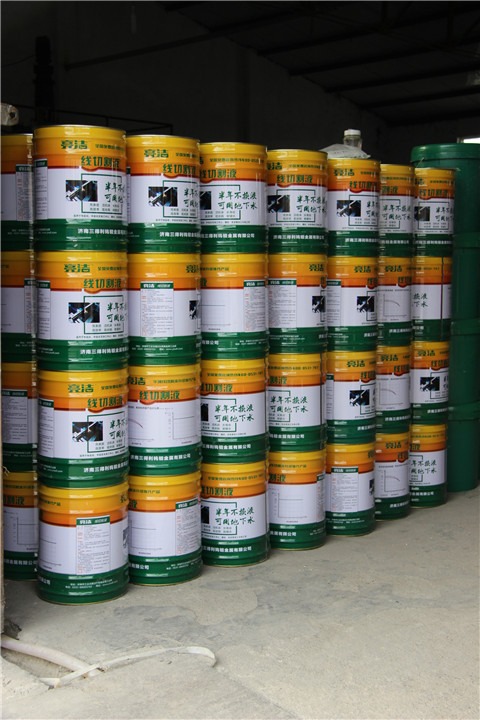
 How Often Should You Change Wire EDM Dielectric Fluid?
There is no single answer to how often wire EDM dielectric fluid should be replaced — it depends on fluid type, workpiece material, required accuracy and part thickness. This guide gives practical replacement cycles for oil-based and water-based dielectrics, plus the key signs that it is time for a change.
 Technical Article 2025-08-06
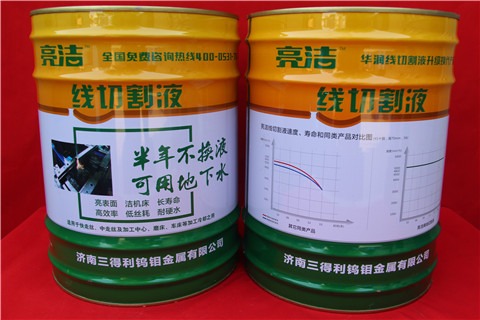
 Does Water-Based Wire EDM Fluid Cause Rust? Causes and Correct Use
Rust prevention is a basic function of any working fluid — a genuine water-based wire EDM fluid will not rust the machine or workpieces by itself. Rust almost always comes from operating habits: rinsing the table with plain water, mixing by feel, or starting the pump before the concentrate has dissolved. This article covers the causes and the correct way to mix and clean.
 Technical Article 2025-07-22
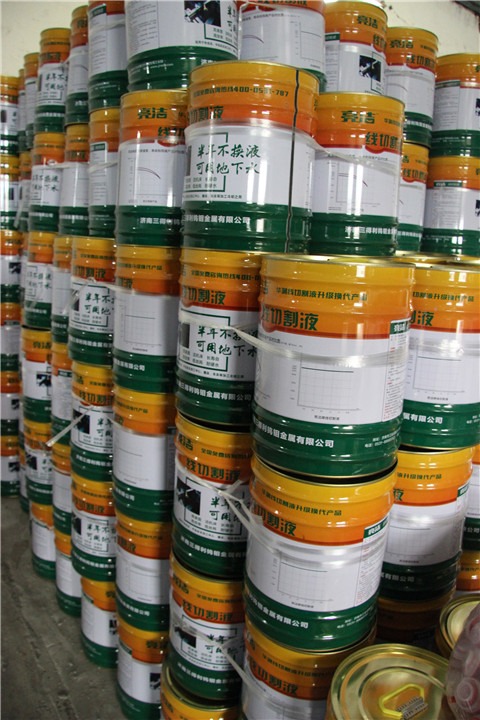
 How to Choose the Right Wire EDM Working Fluid: Types, Performance and Selection
A practical guide to wire EDM dielectric fluid selection, comparing pure oil, emulsion, semi-synthetic and synthetic types and how to match them to machining needs.
 Technical Article 2025-07-07
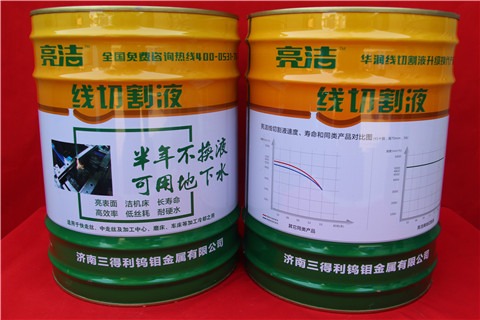
 Wire EDM Fluid vs. Conventional Cutting Fluid: Composition, Performance and Application Limits
Wire EDM fluid and ordinary cutting fluid are fundamentally different products. EDM fluid carries a discharge-promoting additive and must meet dielectric requirements; cutting fluid does not. This article explains the differences and application boundaries.
 Technical Article 2025-06-22
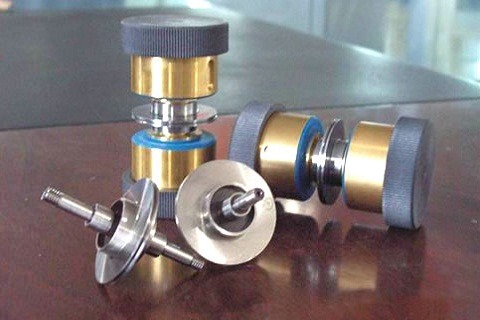
 Sapphire Nozzle (Guide Eye) Care: Function, Service Life and Blockage Fixes for MS-WEDM
The sapphire nozzle (guide eye) is a key wire-guiding wear part on MS-WEDM machines. It reduces wire vibration and improves accuracy and finish, but wears fast and needs periodic replacement. This article covers its function, service life and how to clear a blocked nozzle.
 Technical Article 2025-06-07
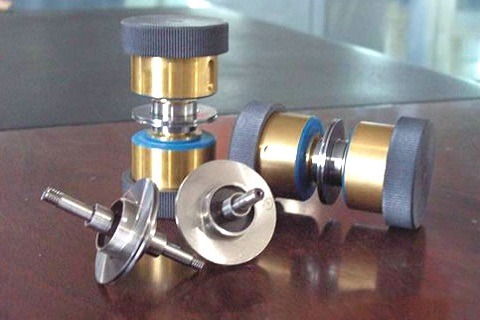
 Guide Wheel Installation and Maintenance: A Complete Guide for Wire EDM
The guide wheel is the core component of the wire feeding system. Its condition directly affects machining quality, wire life and even one-sided wire slack. This article covers the effects of guide wheel vibration, assembly and disassembly steps, axial clearance setting and daily maintenance.
 Industry News 2025-05-23
 Is Wire EDM Safe to Work With? Health Risks and Protective Measures
Compared with welding or clean-room electronics work, the hazards of wire EDM are relatively small, with the main risk coming from oil-based fluid irritating the skin. This article covers the risk sources and practical skin, eye and respiratory protection.
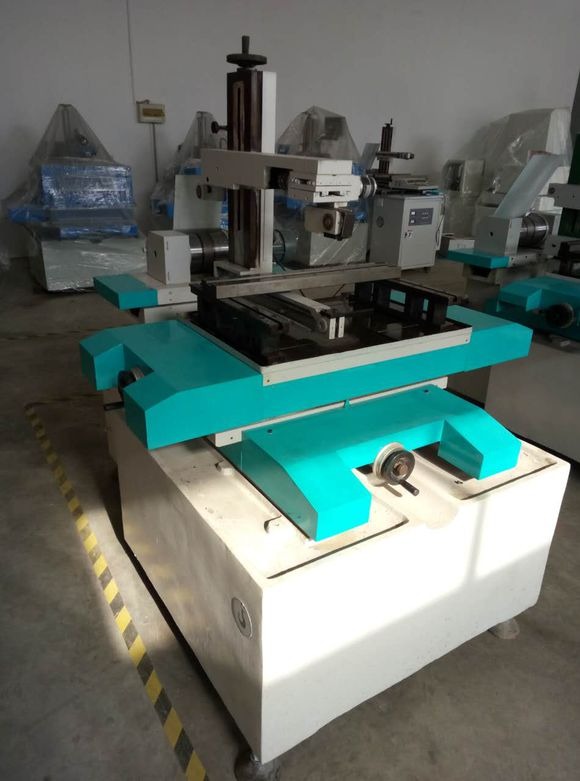 Technical Article 2025-05-08
 Wire EDM High-Frequency Power Supply and Electrical Parameters: A Complete Tuning Guide
The high-frequency power supply generates the pulse voltage that drives discharge in wire EDM. Properly setting voltage, current, pulse width and pulse interval directly affects cutting speed, surface quality and breakage rate. This guide covers tuning principles, parameter selection by workpiece height and common fault checks.
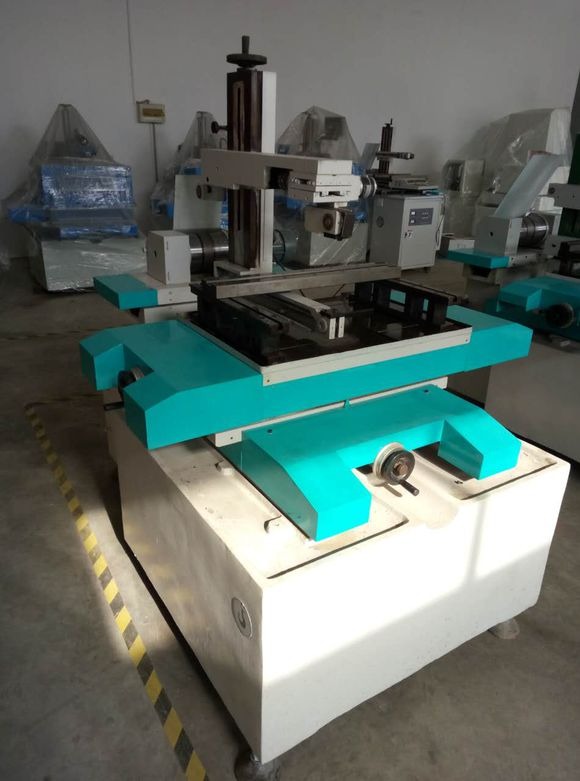 Technical Article 2025-04-08
 Lead Screw Replacement and Maintenance: A Complete Guide for Wire EDM
The lead screw is the key transmission component that guarantees wire EDM accuracy. Severe wear causes problems such as elliptical holes. This article covers replacement conditions, selection by brand, lead and accuracy grade, the step-by-step replacement procedure and daily maintenance.
 Technical Article 2025-03-24
 Wire Slack on One Side: Causes and a Step-by-Step Troubleshooting Sequence
One-sided wire slack, where the molybdenum wire is tight on one side and loose on the other, is usually caused by the spool not being perpendicular to the guide wheel assembly. This article lists the seven check points in order and the additional checks specific to MS-WEDM machines.
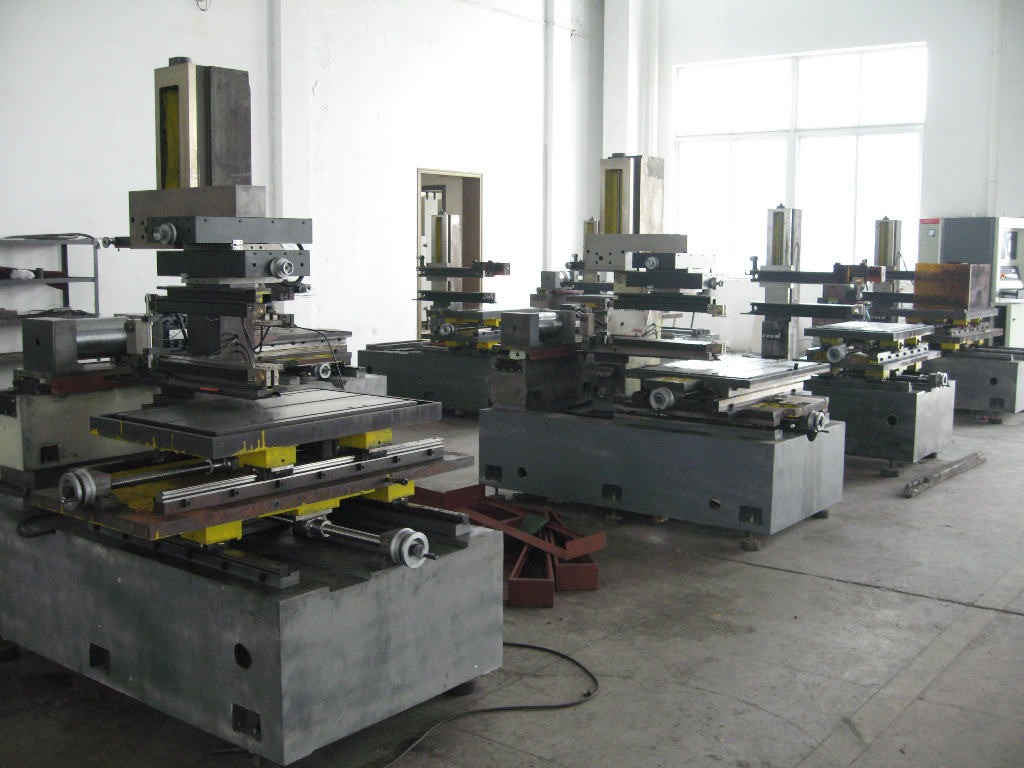 Company News 2025-03-09
 Wire EDM Machine Acceptance: Seven Checks Before Sign-Off
Inspect a wire EDM machine on site before accepting delivery. Seven checks covering parts, parameters, accuracy, motions and trial cutting — plus signed records — protect buyers from later precision disputes.
 Technical Article 2025-02-22
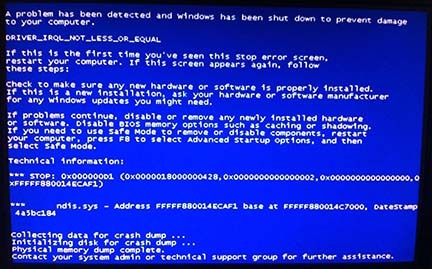
 Wire EDM Computer Freeze-Ups: Eight Common Causes and Fixes
Wire EDM controller freeze-ups become more frequent as temperature and humidity rise. Most are caused by overheating, damp, dust or loose hardware. These eight checks restore normal operation fast.
 Technical Article 2025-02-07
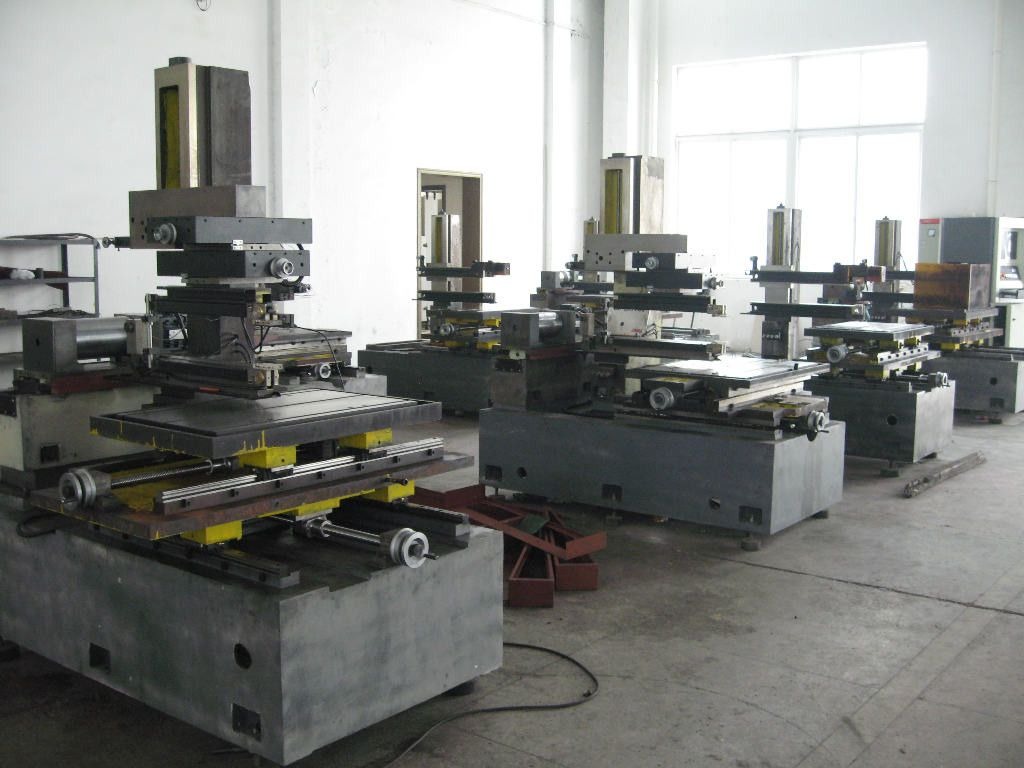
 Wire EDM Machine Maintenance: Lubrication, Inspections and Scheduled Care
Wire EDM machines are precision equipment that stay accurate only with systematic care. This guide covers operating rules, a lubrication schedule, weekly to quarterly checks and the key wear areas.
 Technical Article 2025-01-23
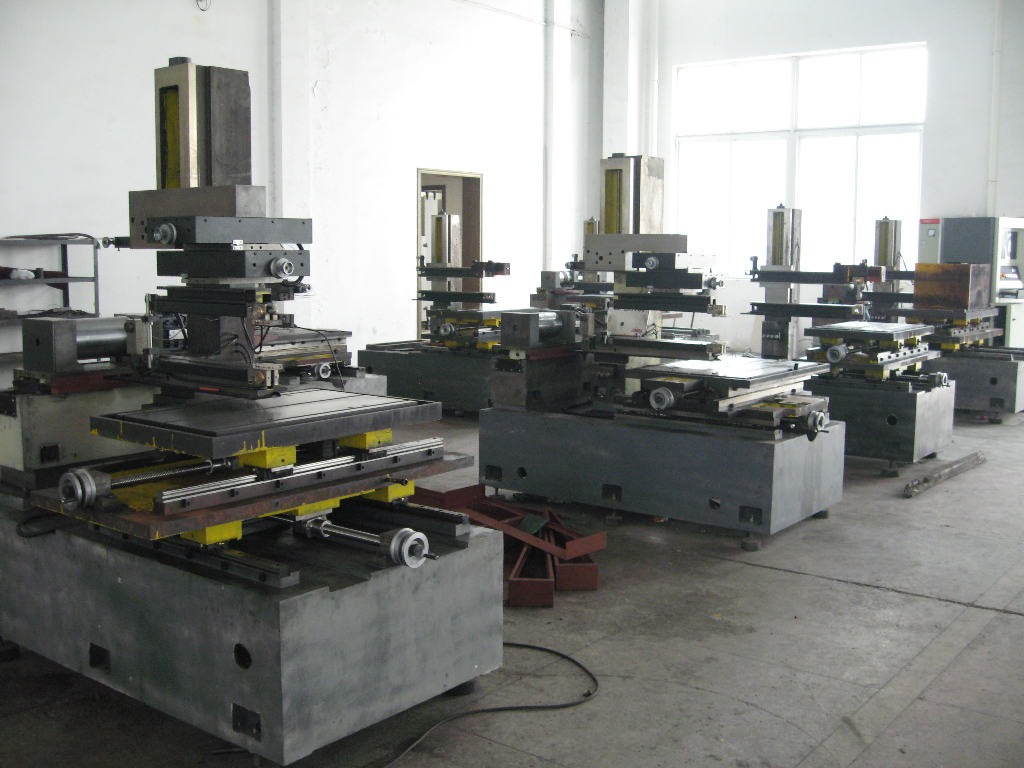
 Protecting Wire EDM Machines From Humidity: Seven Practical Measures
Wire EDM machines combine electricity and water, so humidity is a real hazard. Damp accelerates insulation aging and can cause leakage, short circuits and electrical failures. These seven measures keep machines safe in wet seasons.
 Technical Article 2025-01-08
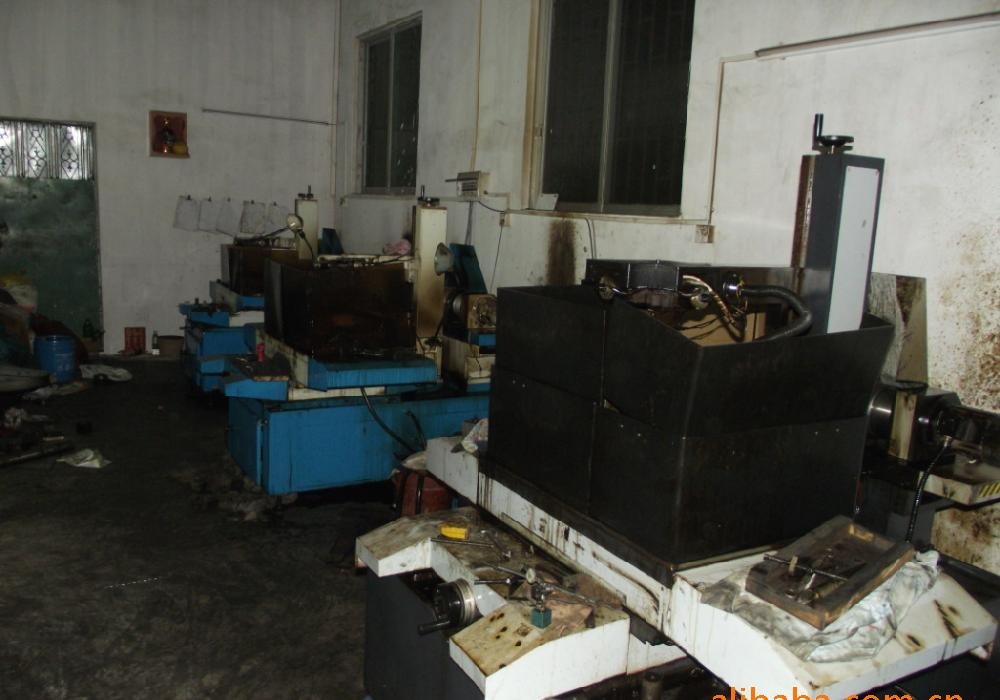
 Wire EDM Machine Abnormal Noise: Five Common Sources and Fixes
Wire EDM machines run for hours on end, so an unusual noise usually signals a developing fault. These five sources — the coupling, wire spool, belt or gear, drive train and feed motor — cover most cases.
 Technical Article 2024-12-24
 Wire EDM Basics: Operating Sequence, Limit Stops and Wire Breakage Handling
New to wire EDM? These fundamentals cover the five-step operating sequence, how limit stops and wire changing work, re-threading after a break and the system-level causes of wire breakage.
 Technical Article 2024-12-09
 Wire EDM Machine Vibration: Checking the Environment and the Machine
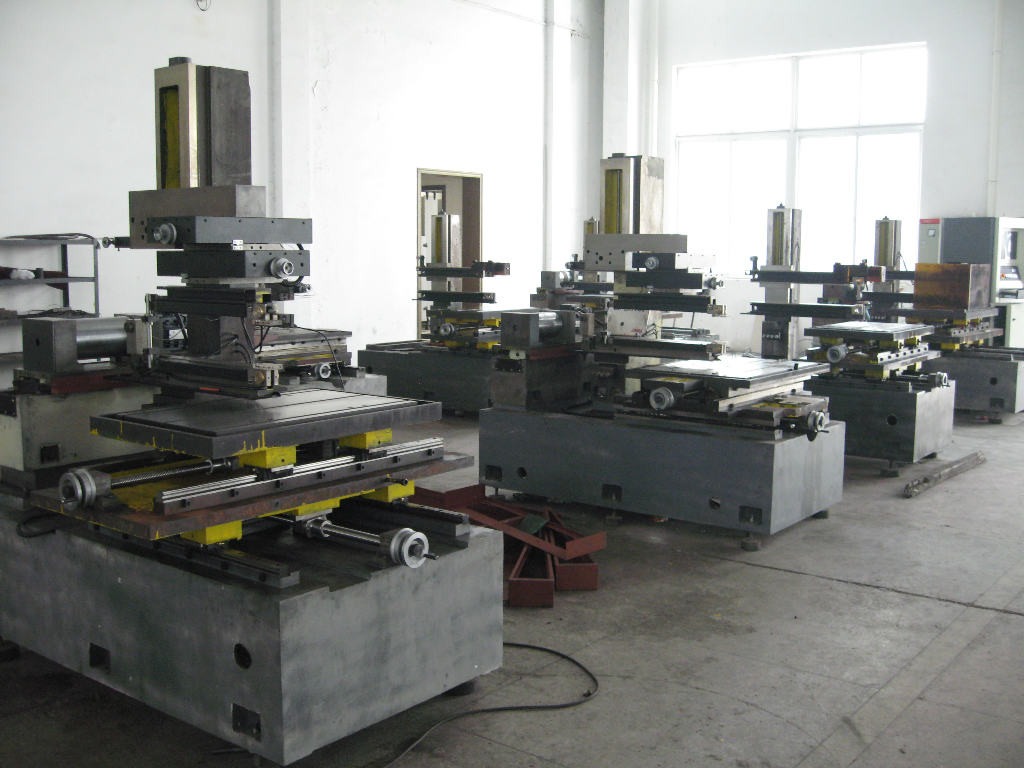
Vibration in a wire EDM machine degrades accuracy and surface finish. Check the surrounding environment first — nearby vibration sources and leveling — then inspect bearings, couplings, motors and lead screws.
 Technical Article 2024-11-24
 Calculating Machining Allowance in Wire EDM: Three Methods Explained
Machining allowance directly affects dimensional accuracy in wire EDM. This article compares the table-correction method, empirical estimation and analytical calculation, and explains how to split total and per-operation allowances.
 Industry News 2024-11-09
 Wire EDM Machines: Global Adoption and Market Trends
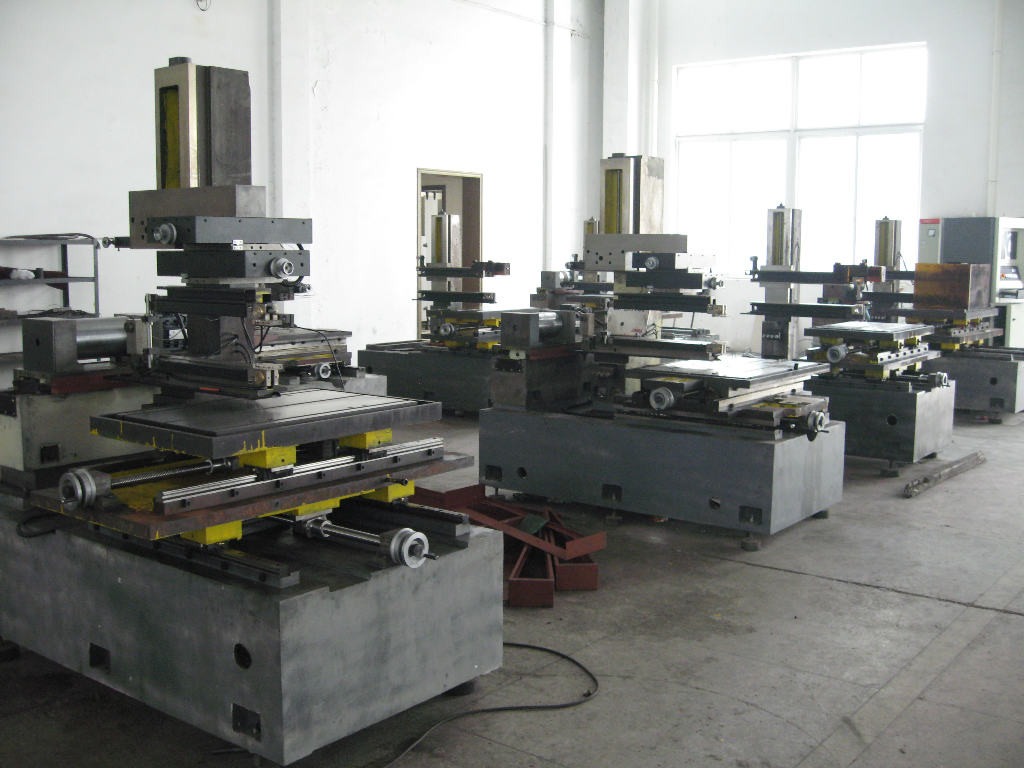
Wire EDM has become a mainstay of metal machining worldwide. This article traces the technology's origins, the rise of medium-speed wire EDM, and the industry consolidation reshaping the market, helping buyers make more informed equipment decisions.
 Company News 2024-10-25
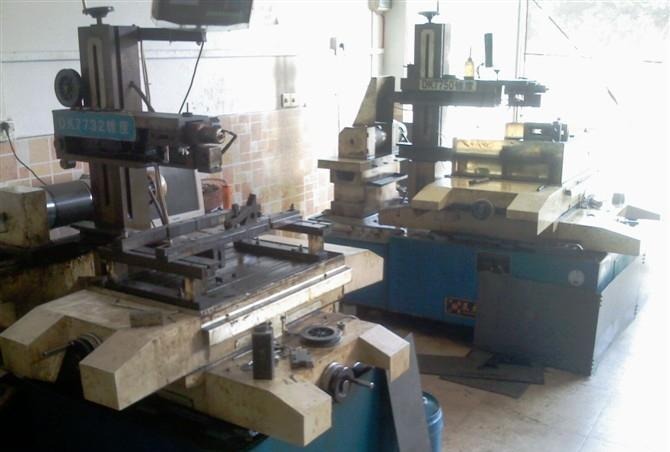
 Medium-Speed Wire EDM: Advantages and Operating Precautions
MS-WEDM combines multi-pass cutting with the simple structure of high-speed machines, delivering finish quality close to low-speed wire EDM at far lower cost. This article covers its core advantages and twelve essential operating precautions.
 Technical Article 2024-10-10
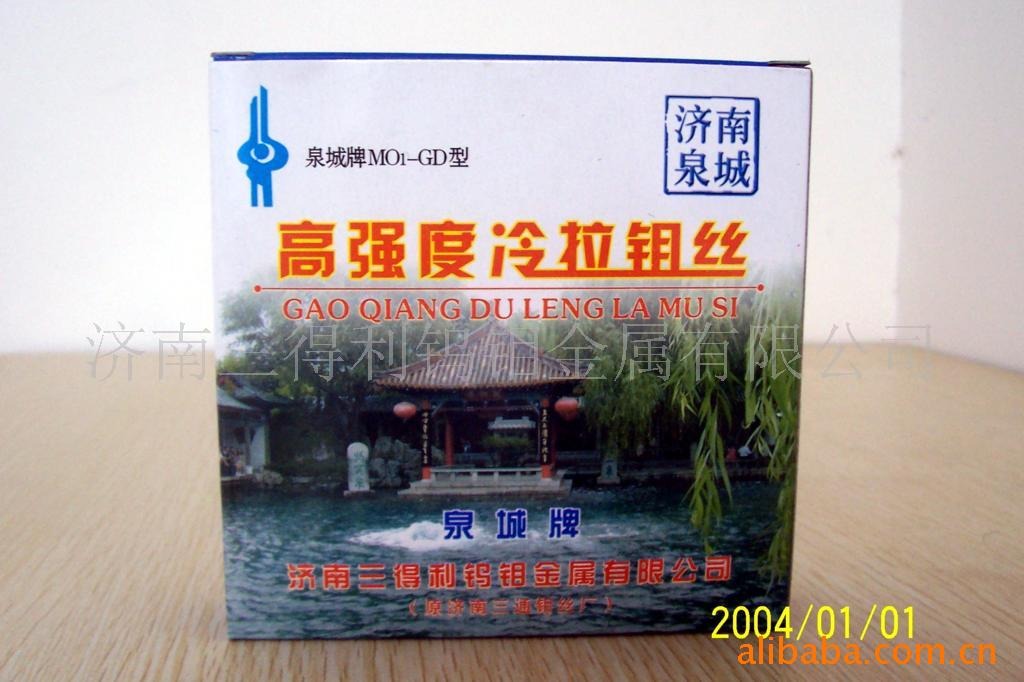
 Molybdenum Wire Diameter: Choosing the Right Spec for Wire EDM
Wire diameter directly affects cutting accuracy, stability, kerf width and feed speed. This guide explains the three common diameter ranges for HS-WEDM, how diameter influences results, and the roles of wire material, feed speed and tension.
 Technical Article 2024-09-25
 How to Identify Quality Molybdenum Wire for Wire EDM — and Spot Counterfeits
Molybdenum wire quality directly determines cutting stability, accuracy and running cost in high-speed wire EDM. This guide covers the quality indicators of genuine wire, seven correct usage habits, and seven field tests to distinguish real molybdenum wire from counterfeits.
 Technical Article 2024-09-10
 Molybdenum Wire Storage: Best Practices and Counterfeit Detection
Improper storage oxidizes molybdenum wire, makes it brittle and causes breakage during cutting; wire kept over six months can develop perpendicularity problems. This article covers proper storage and the three telltale signs of counterfeit wire.
 Technical Article 2024-08-26
 Molybdenum Wire Wear: Common Causes and Fixes
Excessive molybdenum wire wear raises cutting cost and breakage risk. The causes usually fall into four areas — the wire feeding system, electrical parameters, workpiece material and dielectric fluid — with high-frequency parameters and fluid quality the most direct factors. This article walks through each one.
 Technical Article 2024-08-11
 Technical Guide: Choosing Molybdenum Wire Diameter
A practical guide to selecting molybdenum wire diameter for different wire EDM applications.
 Technical Article 2024-07-27
 Multi-Pass Cutting in Wire EDM: Finish-Cut Essentials
Cutting efficiency, wire wear and surface roughness cannot all be maximized in a single pass. Multi-pass cutting resolves the conflict: the first pass cuts, subsequent passes refine the finish. This article covers the cutting sequence, wire-wear control, pre-cut checks and post-cut surface treatment.
 Product Update 2024-07-12
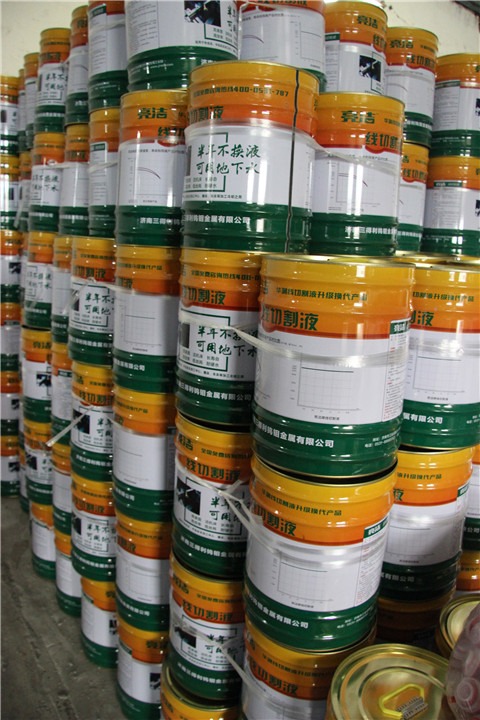
 Refined Formulation for Copper & Aluminum Wire EDM
Updated copper & aluminum wire EDM fluid series with improved flushing and rust protection.
 Company News 2024-06-27
 Buying an MS-WEDM Machine: Ten Marketing Pitfalls and a Setup Checklist
The MS-WEDM market is crowded and claims vary widely. This article lists ten common marketing traps to watch for when buying a medium-speed wire EDM machine, plus the full preparation steps for commissioning a new machine.
 Technical Article 2024-06-12
 Wire EDM Not Discharging: Four Areas to Check
A wire EDM machine that fails to discharge brings cutting to a halt. This article examines four likely causes — open circuit, short circuit, unstable arc discharge and excessive arc discharge — and a step-by-step troubleshooting sequence.
 Product Update 2024-05-28
 OEM/ODM Program for Distributors
Private-label and tailored packaging programs now available for distributors worldwide.
 Technical Article 2024-05-13
 Wire EDM Operation Tips: A Practical Checklist for Cutting Quality
Wire EDM cutting quality rests on machine accuracy and disciplined operation. This checklist compiles medium-speed wire EDM (MS-WEDM) operating tips, pre-cutting preparation, ten machining precautions and five measures for consistent quality.
 Technical Article 2024-04-28
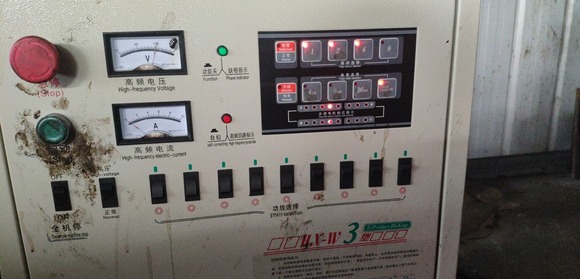
 Tuning the Wire EDM Control Cabinet: Balancing Wire Life and Cutting Speed
Control cabinet parameters directly affect molybdenum wire consumption and cutting efficiency. This article explains the adjustment approach — wider pulses, higher voltage, controlled current, amplifier transistors and feed rate — and how to read cabinet parameter tables.
 Technical Article 2024-04-13
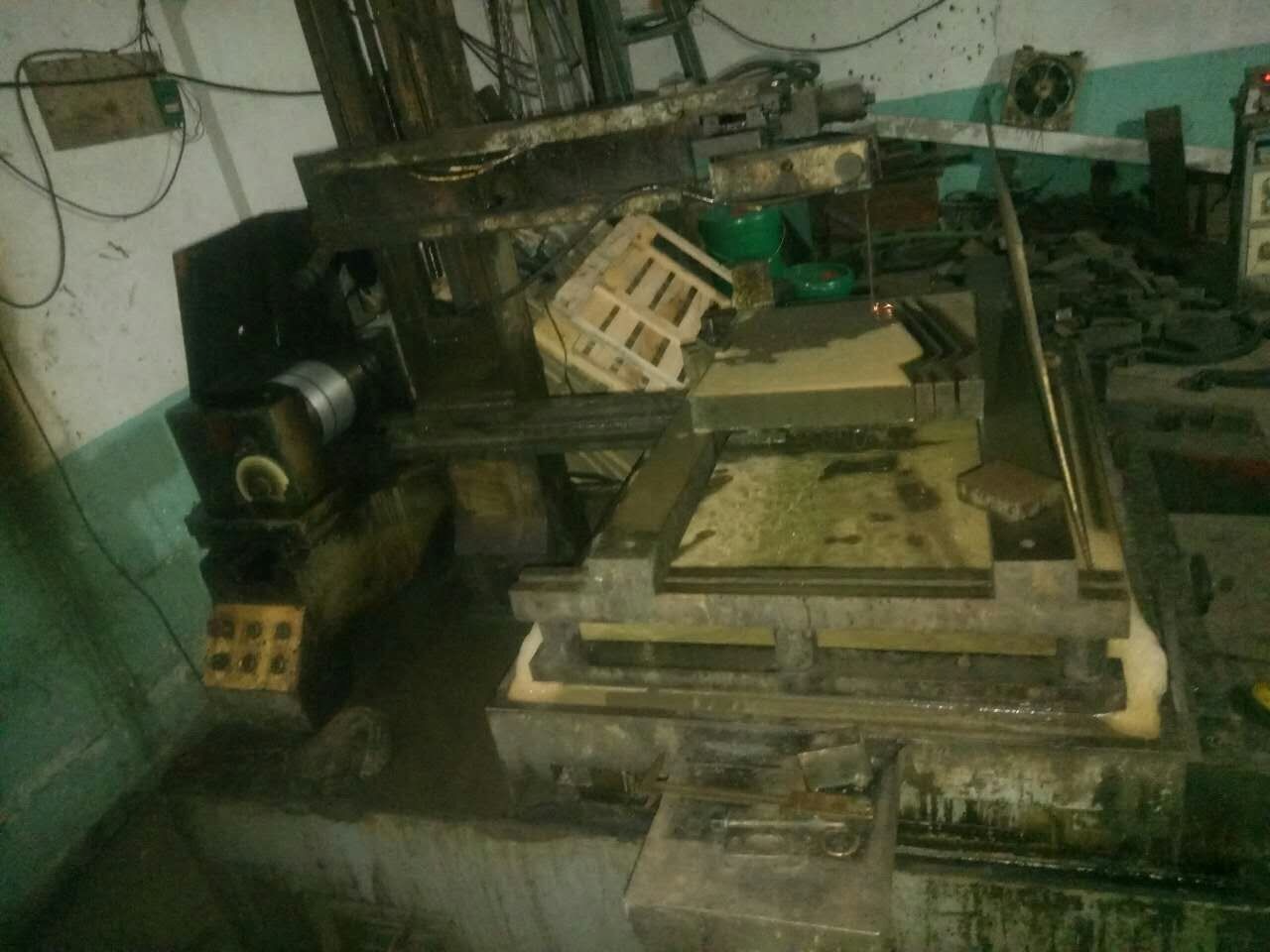
 Wire EDM Machining Accuracy: Materials, Transmission and Error Control
Wire EDM accuracy depends on workpiece material, mechanical transmission, residual stress and surface finish. This article analyzes the sources of machining error and how to restore accuracy when machine precision declines.
 Technical Article 2024-03-29
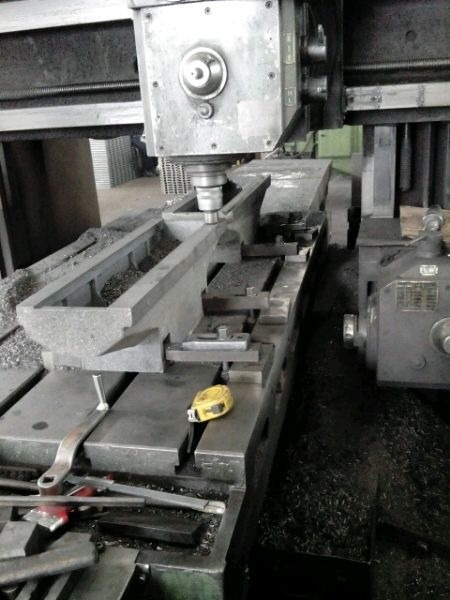
 Wire EDM Pre-Cutting Checklist: 14 Checks Before Start-Up
Pre-start preparation determines workpiece quality and machine stability. This 14-point checklist covers the worktable, dielectric fluid, electrode wire, conductive block, guide wheels, verticality, nozzles and electrical switches.
 Technical Article 2024-03-14
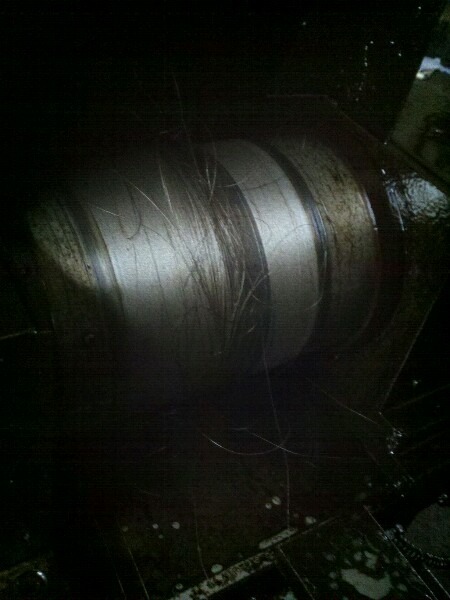
 Wire EDM Reversal Faults: Four Common Problems and Fixes
Reversal faults in wire EDM fall into four types — the program does not stop, no reversal, overrunning the travel and breakage at reversal — plus stalls at the reversal position and a feed motor that will not reverse. This article gives scene-by-scene troubleshooting.
 Technical Article 2024-02-28
 Wire EDM Routine Inspection: Four Checks Before Start-Up
Routine inspection prevents stopping halfway through a cut. Check the incoming power supply, control cabinet dust, molybdenum wire quality and installation, and dielectric fluid condition before start-up.
 Technical Article 2024-02-13
 Wire EDM Short Circuits: Scene-by-Scene Troubleshooting
Short circuits are the most common wire EDM problem, and the cause varies with the scene — reversal, welded joints, aluminum, air cuts, pump start-up and mid-cut. This article organizes the causes and fixes by scenario.
 Technical Article 2024-01-29
 Wire EDM Cutting Slowly or Stuck: Causes and Fixes
Slow cutting or a stuck wire usually occurs on tall workpieces or hard-to-machine materials such as stainless steel. The root cause is often poor flushing by the dielectric fluid; flushing, electrical parameters and wire/contact state also matter. This article lists fixes by priority.
 Technical Article 2024-01-14
 Cutting Special Workpieces With Wire EDM: Punches, Carbide and Gears
Punches, carbide and gears each place specific demands on the wire EDM process. This article walks through process planning and offset calculation for a carbide toothed punch, lists measures against carbide cracking and wire breakage, and introduces the basics of gear cutting.
 Technical Article 2023-12-30
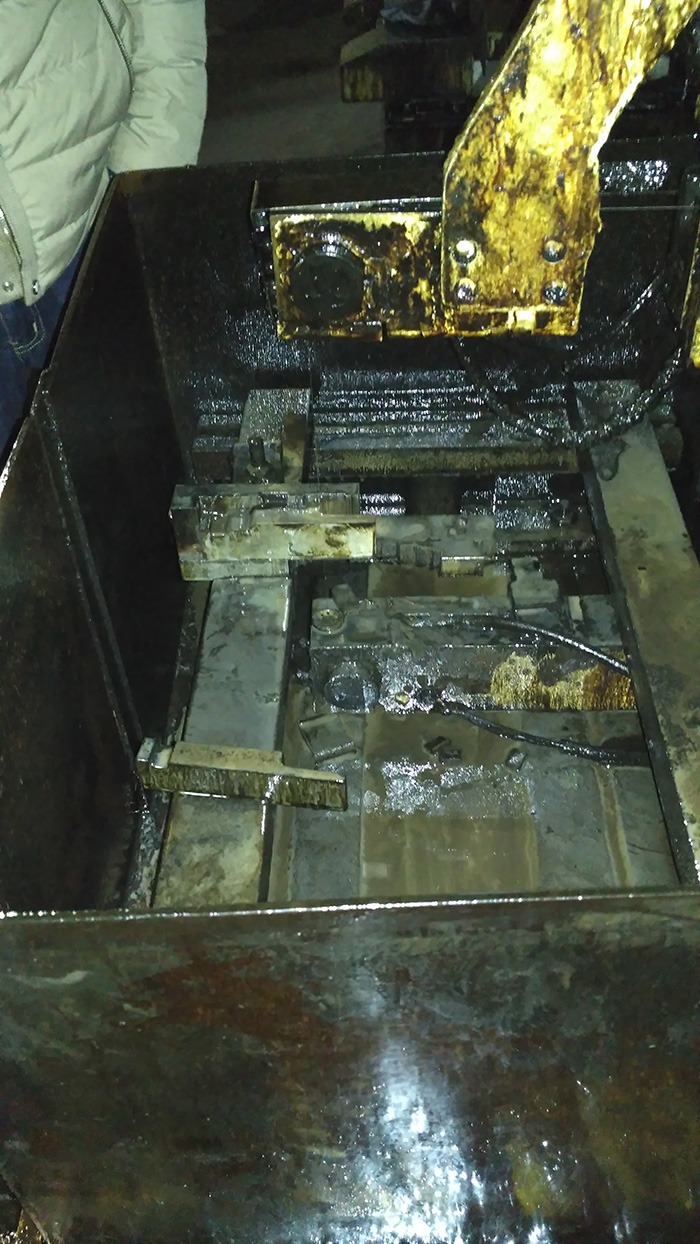
 Preventing Dielectric Fluid Splash in Wire EDM: The Sponge Method
Dielectric fluid flowing down through the kerf inevitably splashes: oil-based fluid leaves oily stains and water-based fluid can rust the worktable. This article describes placing thin sponge sheets on the worktable and at the upper guide wheel to contain splash, with side benefits of trapping debris and extending fluid life.
 Technical Article 2023-12-15
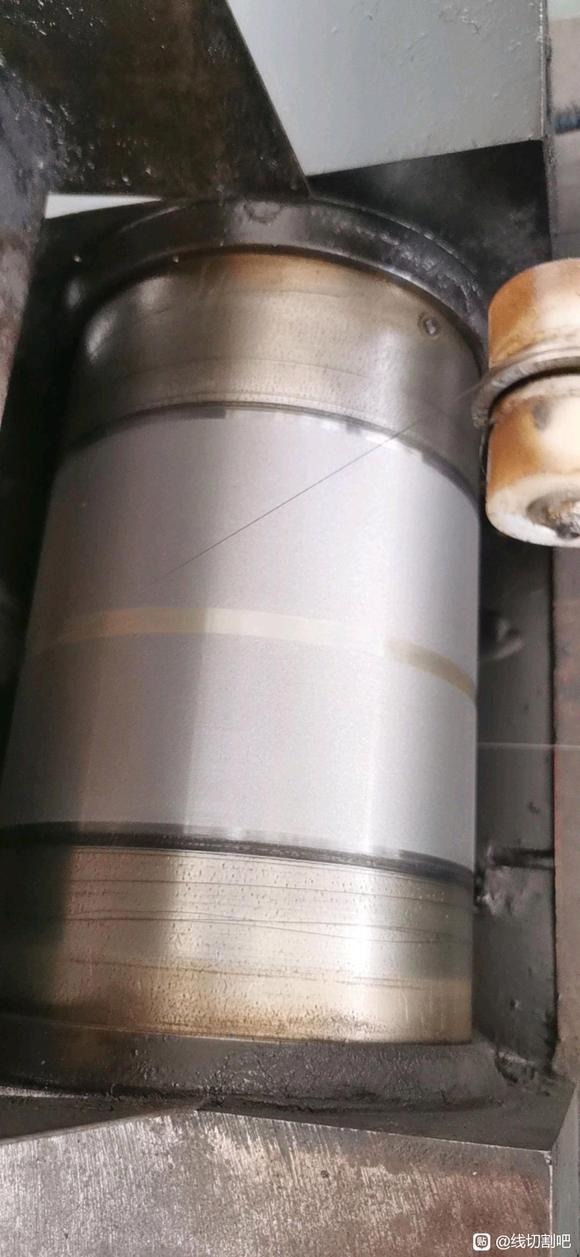
 Wire EDM Spool Jammed and Won't Turn: A Two-Point Check and Fix
When a wire EDM spool locks up and will not turn, first check whether the molybdenum wire has wedged into the side gap or wrapped around the shaft, then check whether the spool mounting bolts have seized. This article covers both checks and the adjustment steps.
 Technical Article 2023-11-30
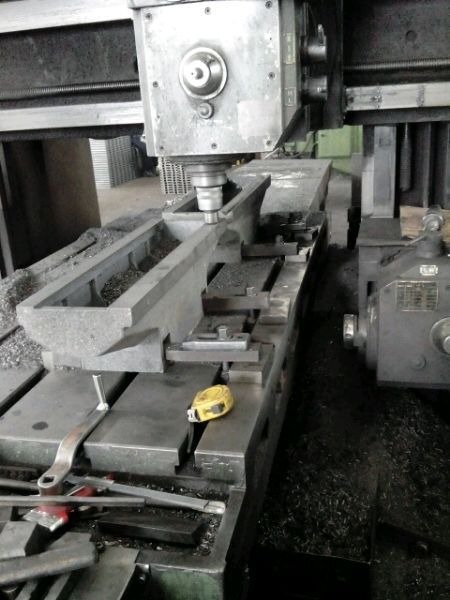
 Unstable Wire EDM Cutting: Eight Interference Factors and a Check Sequence
Unstable wire EDM cutting directly produces scrap parts and wire breakage. This article explains the mechanism of stable cutting, then groups the interference factors into eight areas — workpiece, material, dielectric, wire feeding, stress, tracking, axes and power pickup — as a systematic checklist for operators.
 Technical Article 2023-11-15
 Black or Yellow Deposits on Wire EDM Parts: Causes and Cleaning
Wire EDM parts often carry black (oil-based) or yellow (water-based) surface residues linked to the dielectric formulation; these can be wiped clean. If the surface stays black after cleaning, the cause is high-frequency parameters mismatched with the feed rate that burn the surface. This article explains how to tell the two cases apart and how to treat them.
 Technical Article 2023-10-31
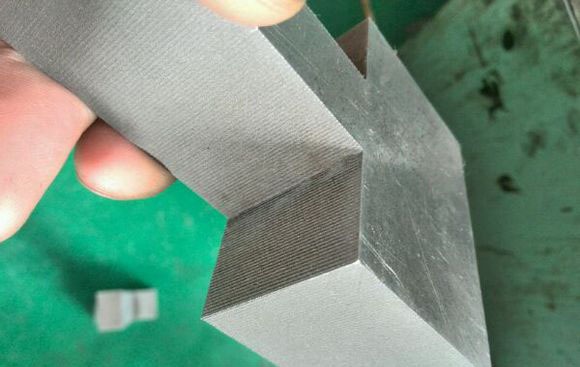
 What Affects Wire EDM Surface Finish: From Electrical Parameters to the Workpiece
Wire EDM surface finish depends on many factors that fall into two groups: non-electrical (wire, workpiece, feed, dielectric, machine accuracy) and electrical (pulse interval, pulse width, peak current, open-circuit voltage). This article explains how each factor works so operators have a framework for improving surface quality.
 Technical Article 2023-10-16
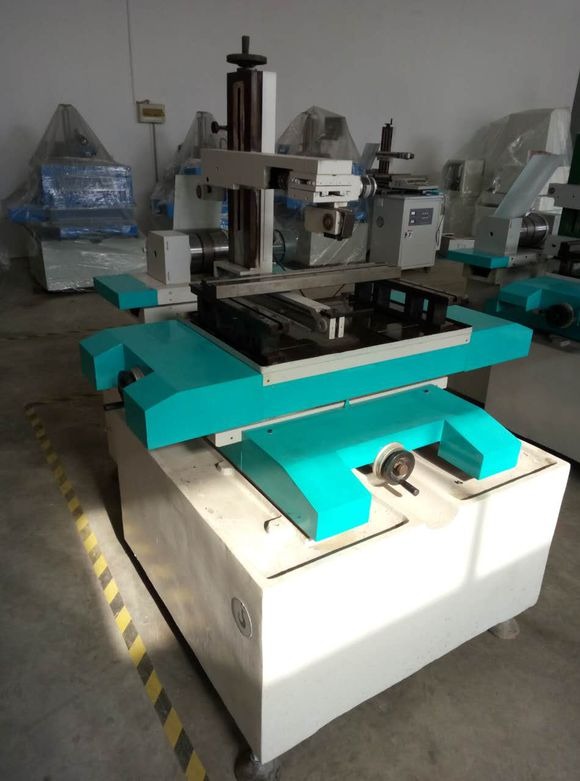
 Practical Ways to Improve Wire EDM Surface Finish: Nine Actionable Steps
Wire EDM surface finish is set by two elements: the size of individual discharge craters and, more importantly, the ridged stripes left by wire reversal. This article lists nine practical steps covering electrical parameters, guide wheel bearings, tension, clamping, XY motion, variable-frequency tracking and multi-pass cutting, and explains the cause and control of black-and-white stripes.
 Technical Article 2023-10-01
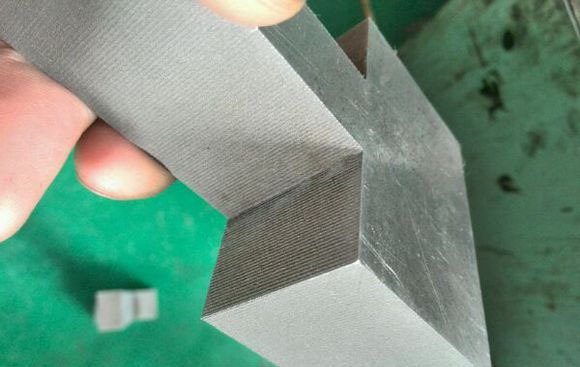
 Cutting Thick Workpieces With Wire EDM: Problems and Parameter Adjustments
Cutting steel over 200 mm thick on wire EDM is constrained by discharge erosion conditions: the fluid cannot enter the gap, flushing fails, and energy transfer is limited, so the wire tends to break. This article analyzes five contradictions of thick cutting and gives practical adjustments for pulse width, pulse interval, current and power amplifier settings.
 Technical Article 2023-09-16
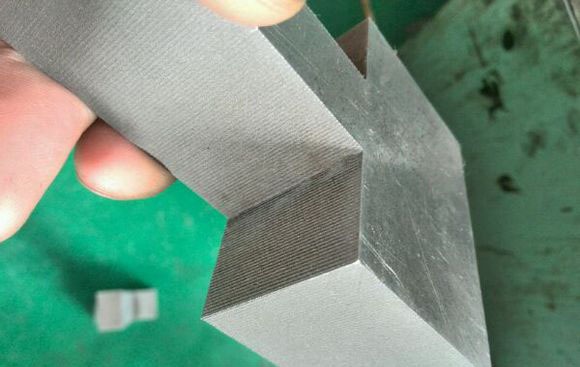
 Wire EDM Servo Tracking Speed: Detecting and Correcting Over-Tracking and Under-Tracking
Adjusting the inverter-based servo tracking speed does not raise cutting speed; it keeps the discharge gap stable. This article explains over-tracking and under-tracking, and how to set tracking speed using the 80% short-circuit current rule and the ammeter needle behavior.
 Company News 2023-09-01
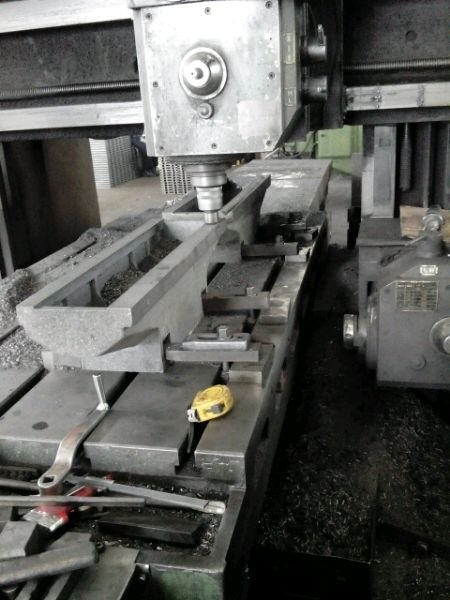
 Buying a Used Wire EDM Machine: 13 Practical Inspection Points
The used wire EDM market is active worldwide, but a careless purchase is easy to regret. This guide lists 13 inspection points covering accuracy, machine travel, repeatability, leadscrew and guide rail wear, electrical aging, wire feeding condition, and budget planning.
 Industry News 2023-08-17
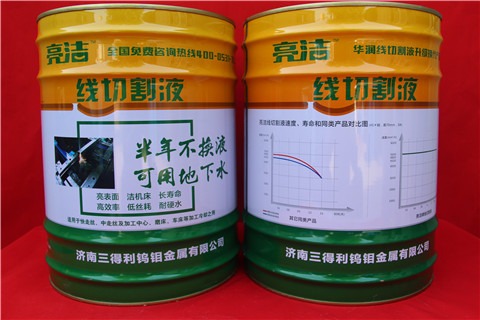
 Wire EDM Waste Fluid Treatment: From Fluid Selection to Eco-Friendly Disposal
Wire EDM waste fluid contains metal powders, sludge, and other contaminants and must be handled properly to avoid pollution and compliance issues. This article outlines a five-step process: choose an environmentally friendly fluid, clean the fluid circuit, filter, settle, and reuse or contract disposal.
 Technical Article 2023-08-02
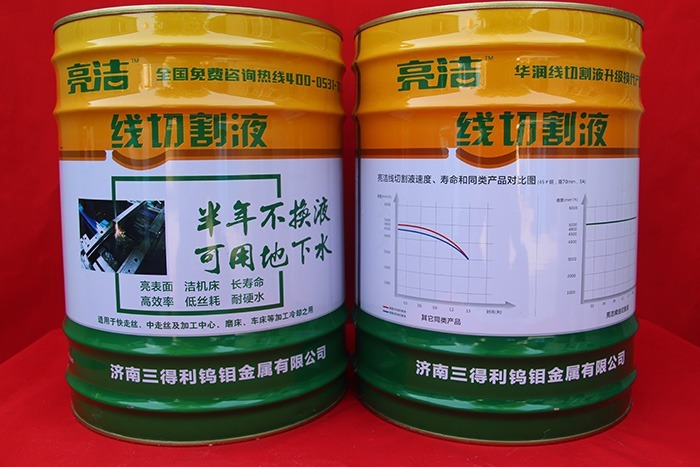
 Water-Based Dielectric Usage: Dilution Ratios, Top-Up Timing, and Practical Notes
Correct use of water-based dielectric directly affects surface finish, cutting efficiency, and machine life. This article covers dilution ratios for tap, pure, and hard well water, when to top up or replace the fluid, how to use water-based paste concentrate, and the basic requirements for wire EDM working fluids.
 Technical Article 2023-07-18
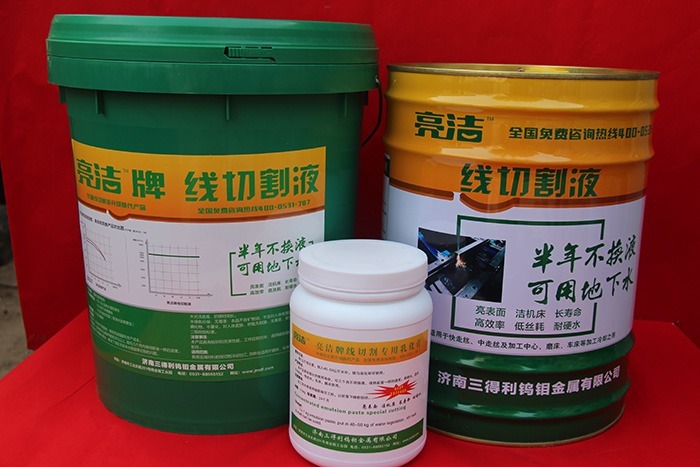
 Water-Based vs Oil-Based Dielectric for Wire EDM: A Practical Comparison
Oil-based dielectrics have a long history but suffer from poor heat transfer, fire risk, and difficult cleanup. Water-based dielectrics lead in cooling, cleaning, safety, and cost, and their market share is growing. This article compares the two by machining results, cost, and operating experience.
 Technical Article 2023-07-03
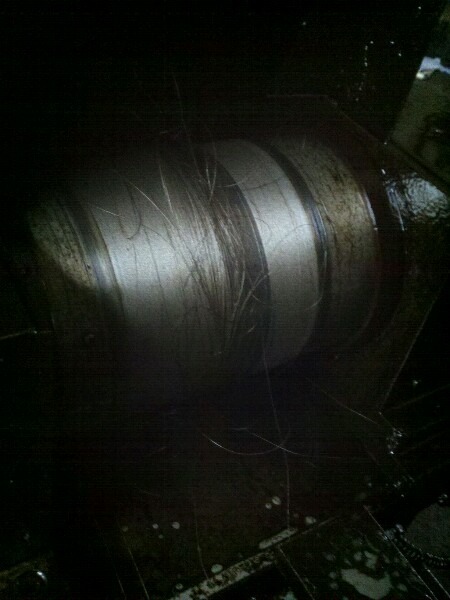
 Why Molybdenum Wire Is Used as the Wire EDM Electrode
Molybdenum wire is the industry-standard electrode for wire EDM. Here is why it outperforms silver and copper wire — and why it remains the practical choice for production cutting.
 Technical Article 2023-06-18
 Wire EDM Wire Breakage: A Systematic Troubleshooting Guide
Frequent wire breakage rarely has a single cause — wire quality, the wire feeding system, workpiece thickness, dielectric condition, and electrical parameters all interact. This guide walks through five dimensions in priority order to locate the real cause and cut downtime.
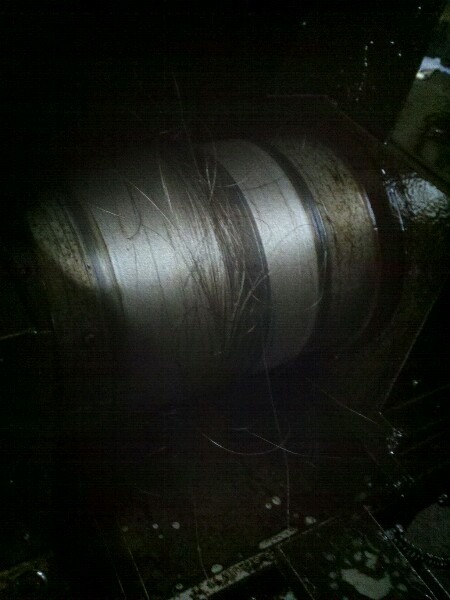 Technical Article 2023-06-03
 Wire EDM Wire Breakage: Common Causes and Practical Fixes
Wire breakage is one of the most common wire EDM problems. These are the usual causes — conductive block wear, spool run-out and winding issues — and how to fix them.
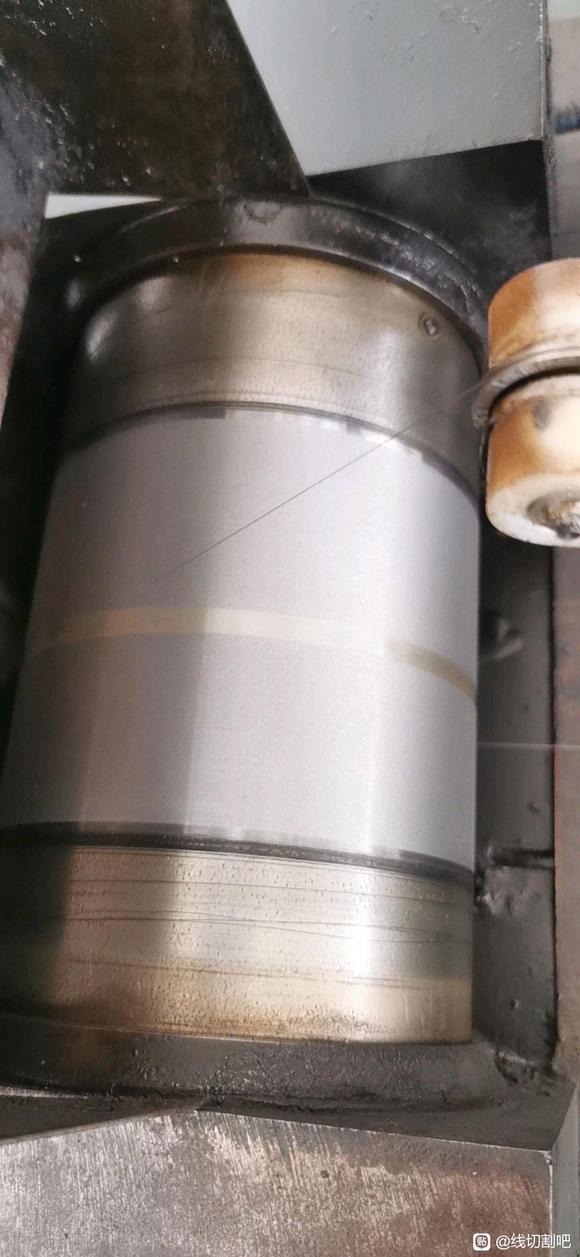 Technical Article 2023-05-19
 Wire Feeding System Setup: Spool Reserve, Overlap Troubleshooting, and Deflector Adjustment
The wire feeding system — spool, wire deflector, and guide roller — controls how neatly the molybdenum wire winds and how reliably it reverses. This article explains how much reserve to leave at each spool end, how to troubleshoot overlapping wraps, the adjustment principles for deflector and guide roller, and a material issue that causes spool shedding.
 Technical Article 2023-05-04
 Flower Pattern on Molybdenum Wire: Causes and Systematic Fixes
A flower pattern — periodic black spots and carbon-brittled sections on the molybdenum wire — comes from continuous arc discharge caused by incomplete de-ionization. This article explains the formation conditions and triggers, and gives a step-by-step method to find and fix the root cause.
 Technical Article 2023-04-19
 Wire Guide Arm Height Adjustment: A Subtle Detail That Affects Surface Finish
The height of the wire guide frame on a wire EDM machine should match workpiece thickness. Improper height worsens reversal marks and surface finish. This article explains the adjustment principle and recommended distances from the guide wheel center and flushing nozzle to the workpiece surface.
 Technical Article 2023-04-04
 Wire Tension Adjustment: Getting the Tightness Right Is Key to Wire EDM Results
The tightness of the molybdenum wire on the wire spool largely determines cutting stability, surface quality and breakage rate. This article covers the effects of improper tension, the correct procedure for wire loading and tensioning, and key points for maintaining tension.
 Technical Article 2023-03-20
 Wire Loading, Tensioning and Threading: A Complete Wire EDM Operating Guide
Wire loading, tensioning and threading are the three most basic wire EDM procedures and directly affect wire life, machining accuracy and safety. This step-by-step guide covers each procedure, common mistakes such as knots, tangled or overlapping wire, and how to avoid them.
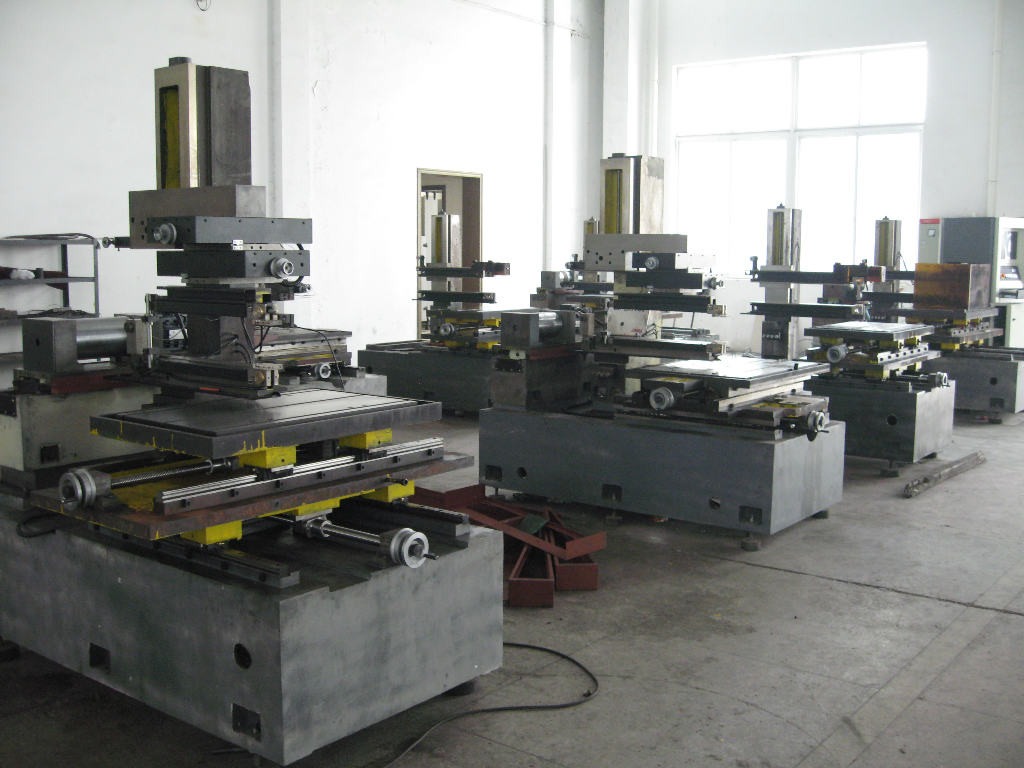 Technical Article 2023-03-05
 Wire Verticality Calibration: Complete Steps for MS-WEDM and HS-WEDM
Calibrating wire verticality before cutting ensures the workpiece reference face and the cutting face meet at 90 degrees; skipping it tilts the cut and ruins the part. This article covers the calibration principle, spark-based alignment, step-by-step procedures for medium- and high-speed wire EDM machines, and tool selection.
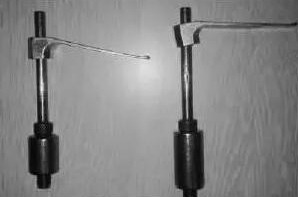 Technical Article 2023-02-18
 Workpiece Clamping for Wire EDM: Fixture Selection, Clamping Methods and Alignment
Clamping is the foundation of wire EDM machining quality. This article explains fixture selection principles, four clamping methods for different scenarios, dial indicator and scribing alignment techniques, and multi-point clamping tips for large heavy workpieces.
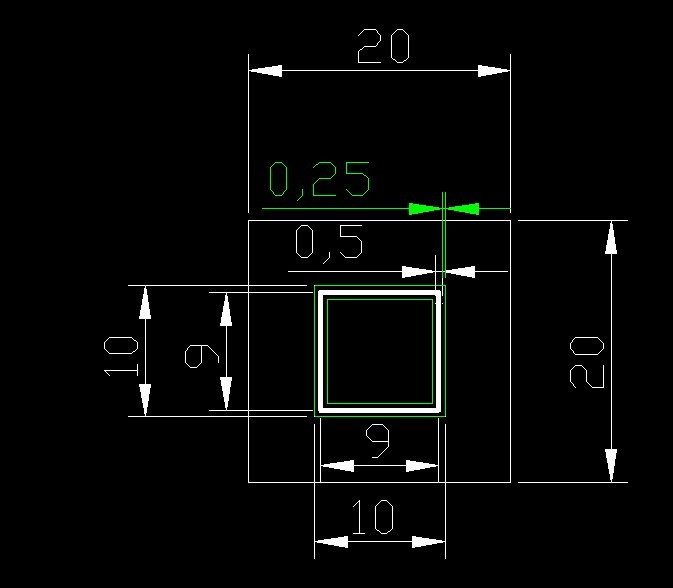 Technical Article 2023-02-03
 Workpiece Deformation in Wire EDM: Causes and Seven Prevention Measures
Workpiece deformation during wire EDM cutting comes from the disturbance of internal residual stress balance, and narrow thin-walled parts and hardened materials are especially prone to it. This article analyzes the causes across material, heat treatment, structural design, process planning, clamping and cutting path, and lists seven practical prevention measures.
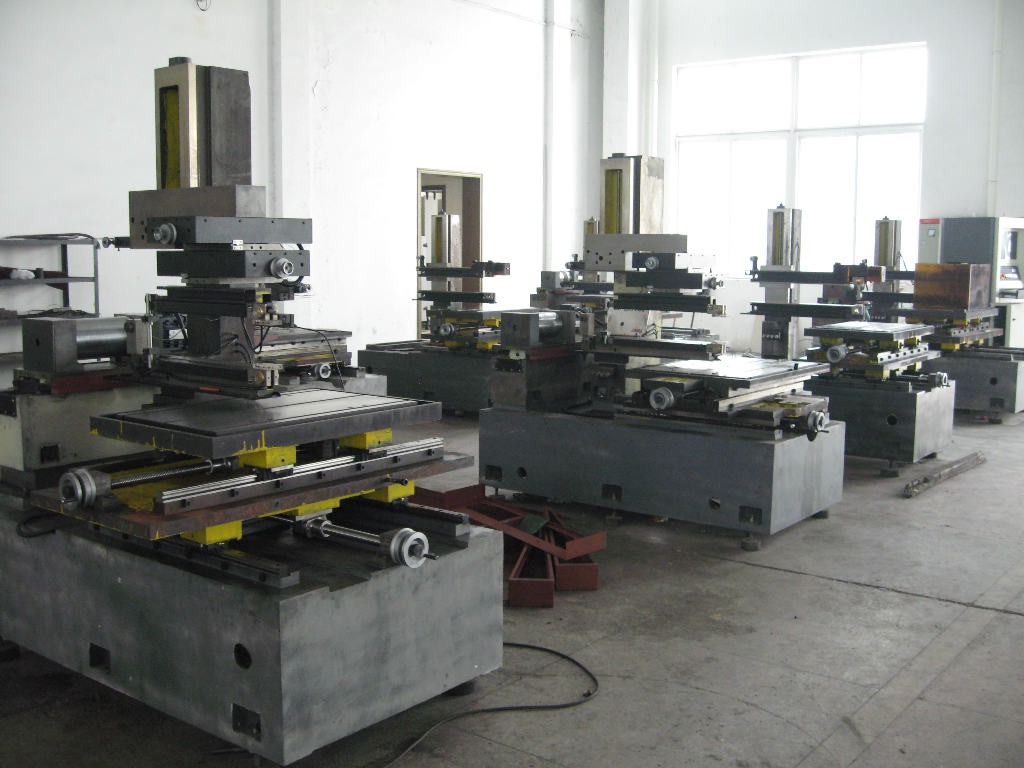 Technical Article 2023-01-19
 X/Y Axis Perpendicularity in Wire EDM: Cause Analysis and Adjustment Methods
Two-axis perpendicularity in wire EDM is built on the straightness of each axis and is determined by the perpendicularity of the two guide rail pairs on the middle table. This article explains how to judge whether out-of-tolerance conditions come from the guide rails or lead screw interference, the adjustment principles, and why smooth rail motion is required before any measurement.